Region: International
At the Interface Between Paradigms: English Mental Capacity Law and the CRPD
Supported Decision Making – A User’s Guide
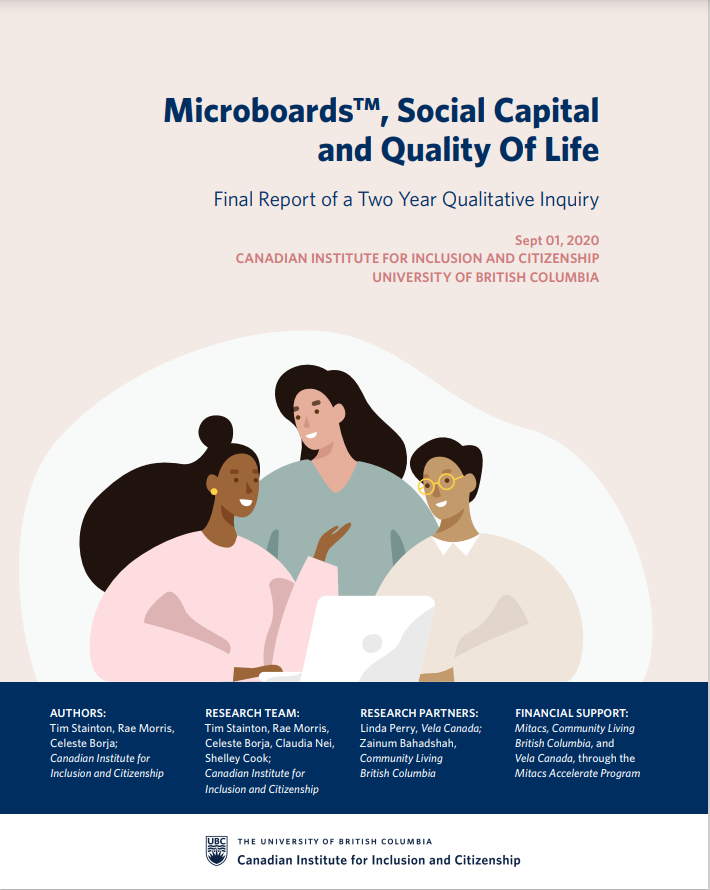
Microboards™, Social Capital and Quality Of Life
Making My Own Choices
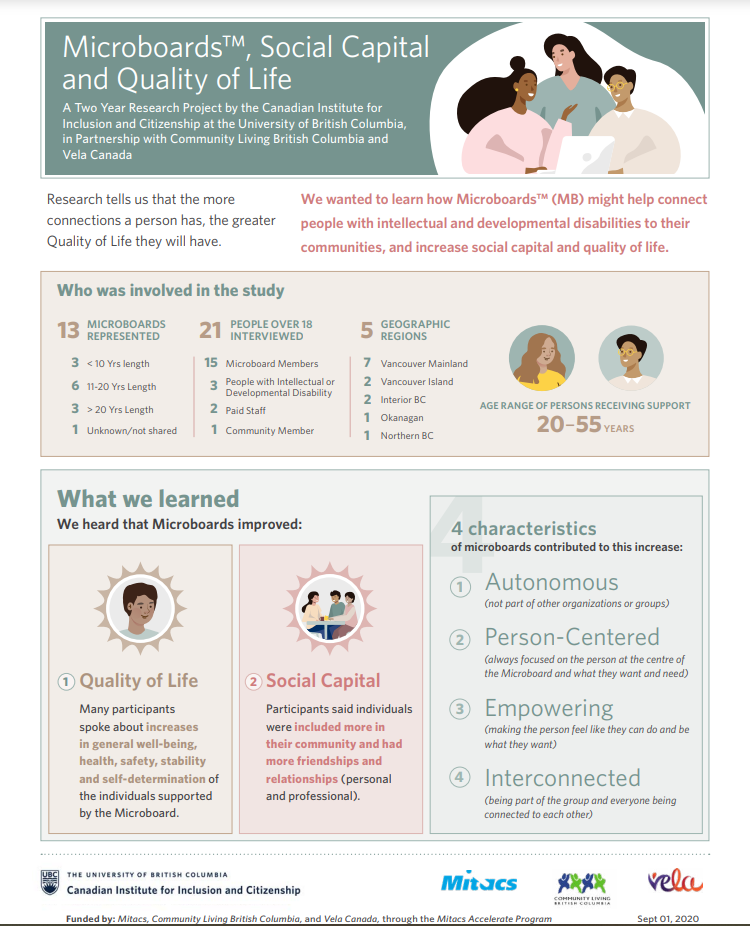
Microboards: Social Capital and Quality of Life
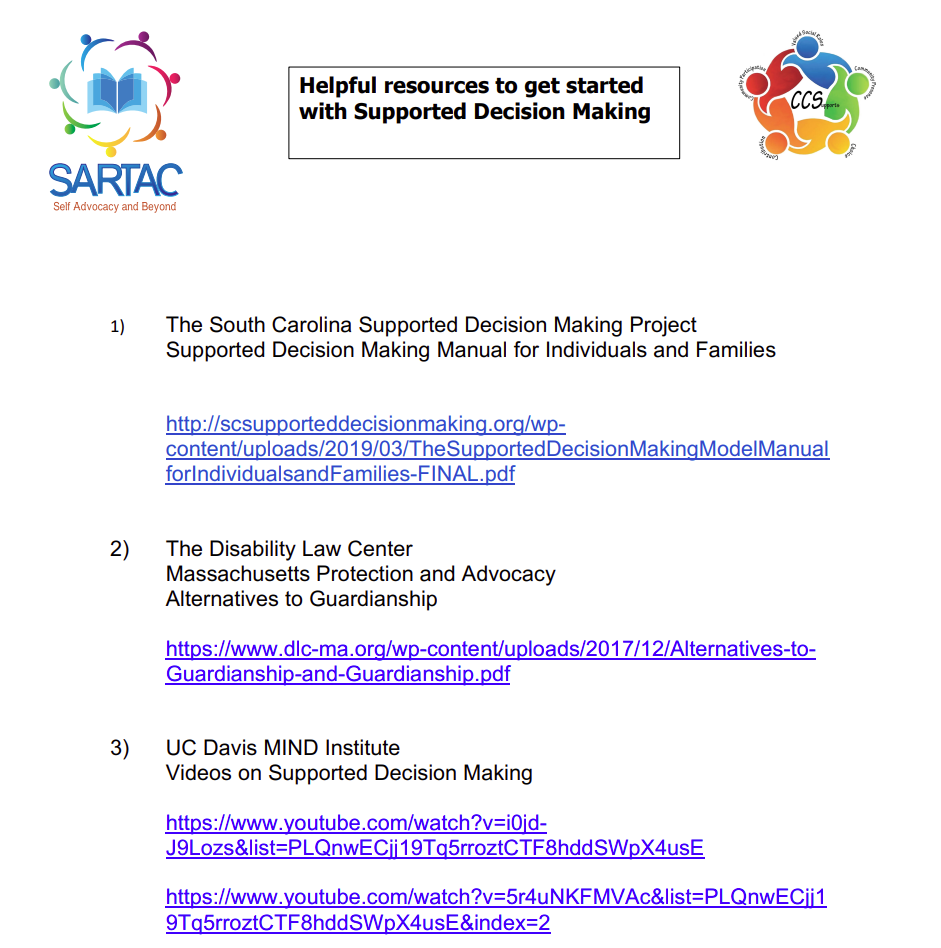
Resources to Get started with Supported Decision Making
The Power of Core Vocabulary: Life Saving!
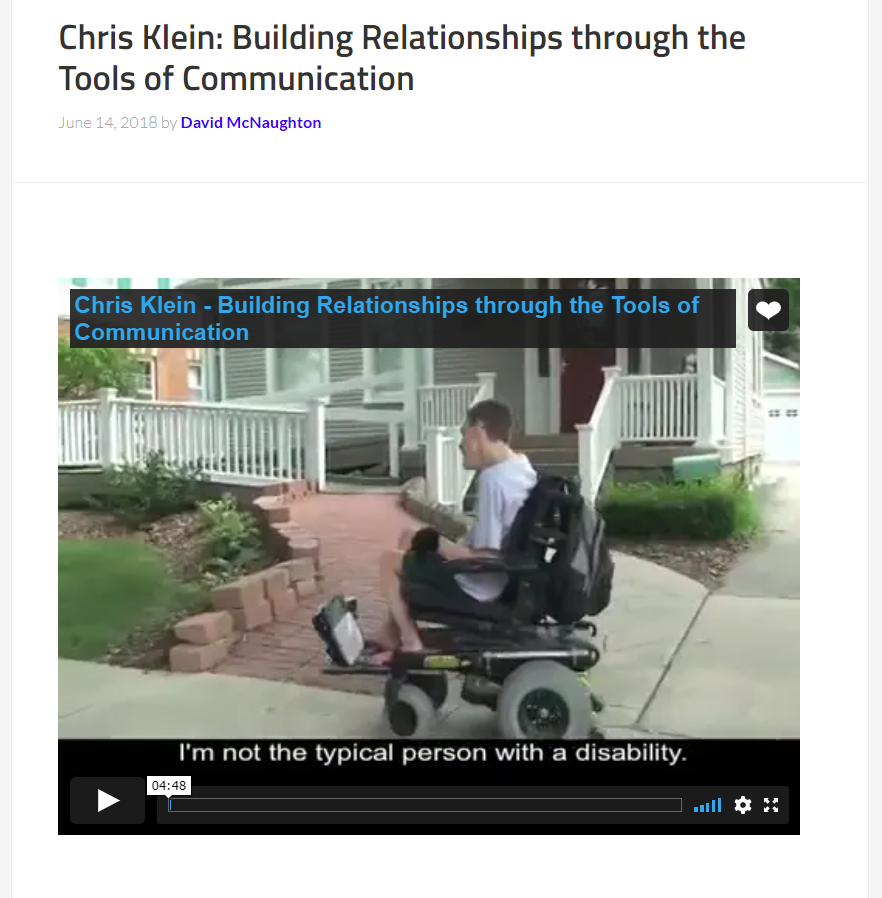
Chris Klein – Building Relationships through the Tools of Communication
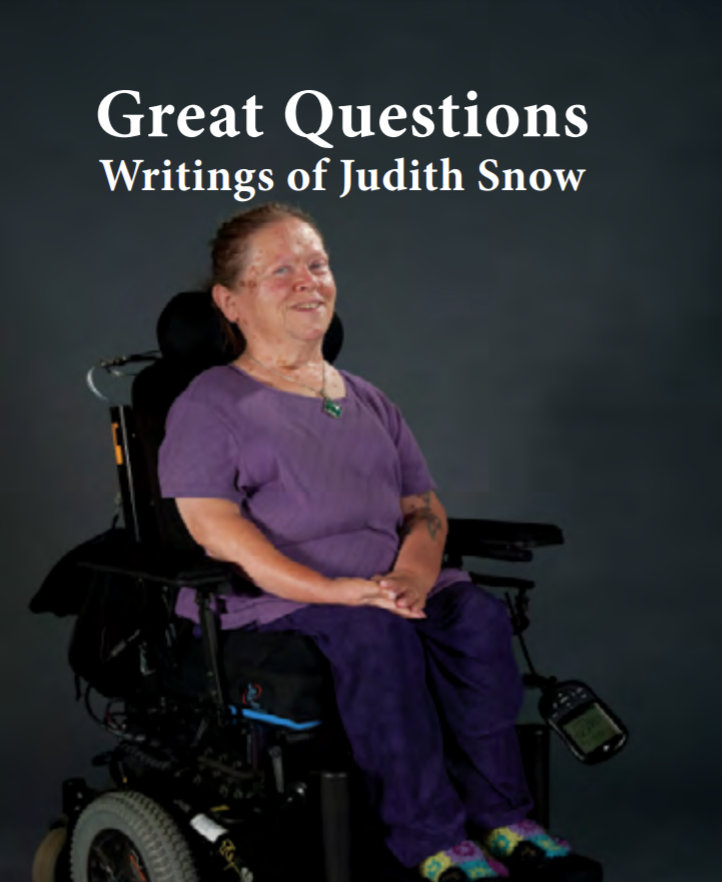
Great Questions: Writings of Judith Snow
Five Valued Experiences with John O’Brien

The Star Raft Circle
Right Relationships with Michael Kendrick

Wellsprings of Person Centred Planning
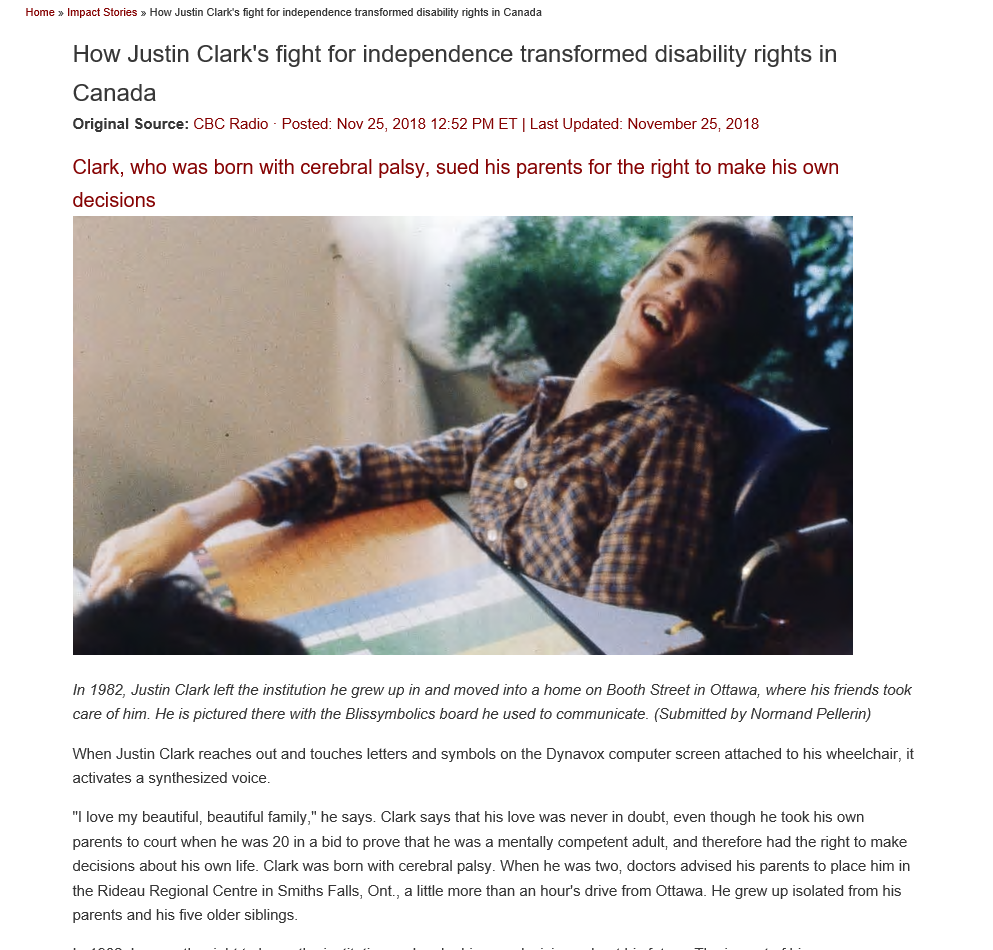
How Justin Clark’s fight for independence transformed disability rights in Canada
Supporterman vs The Substituter
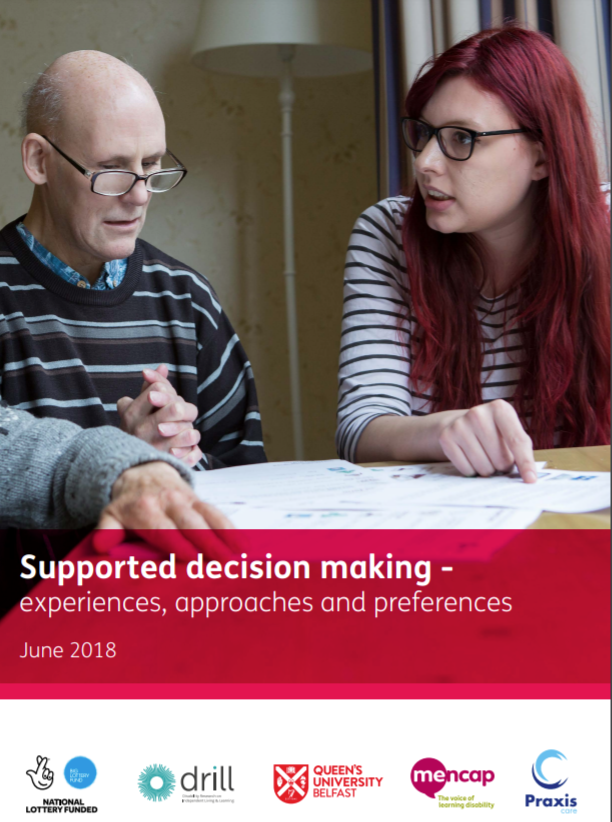
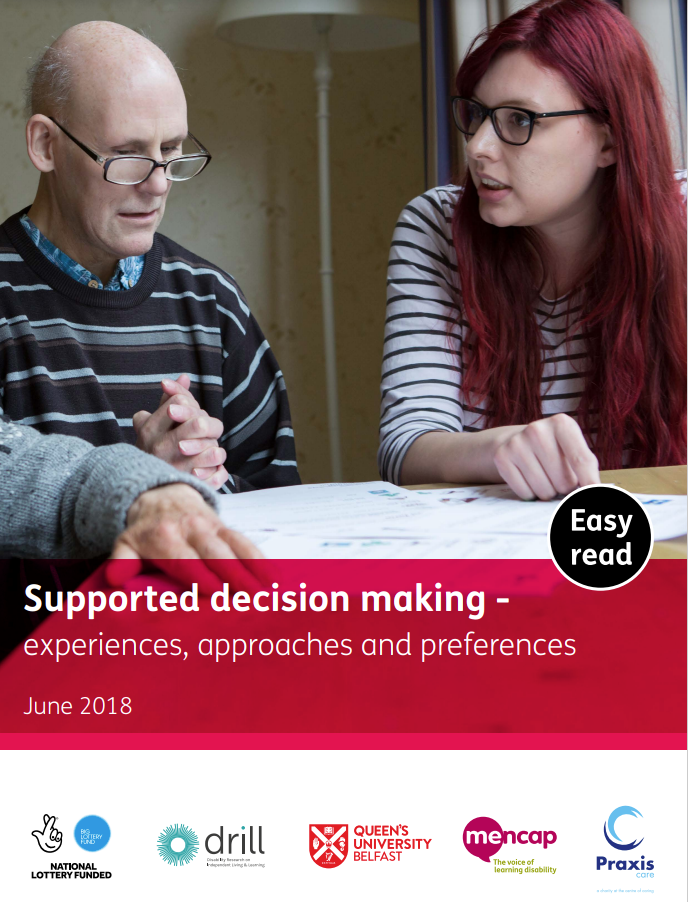
Supported Decision Making : Experiences, Approaches and Preferences
Supported Decision Making: Experiences, Approaches and Preferences-Easy Read
Dennis Harkins Story
American Bar Association Resolution 113
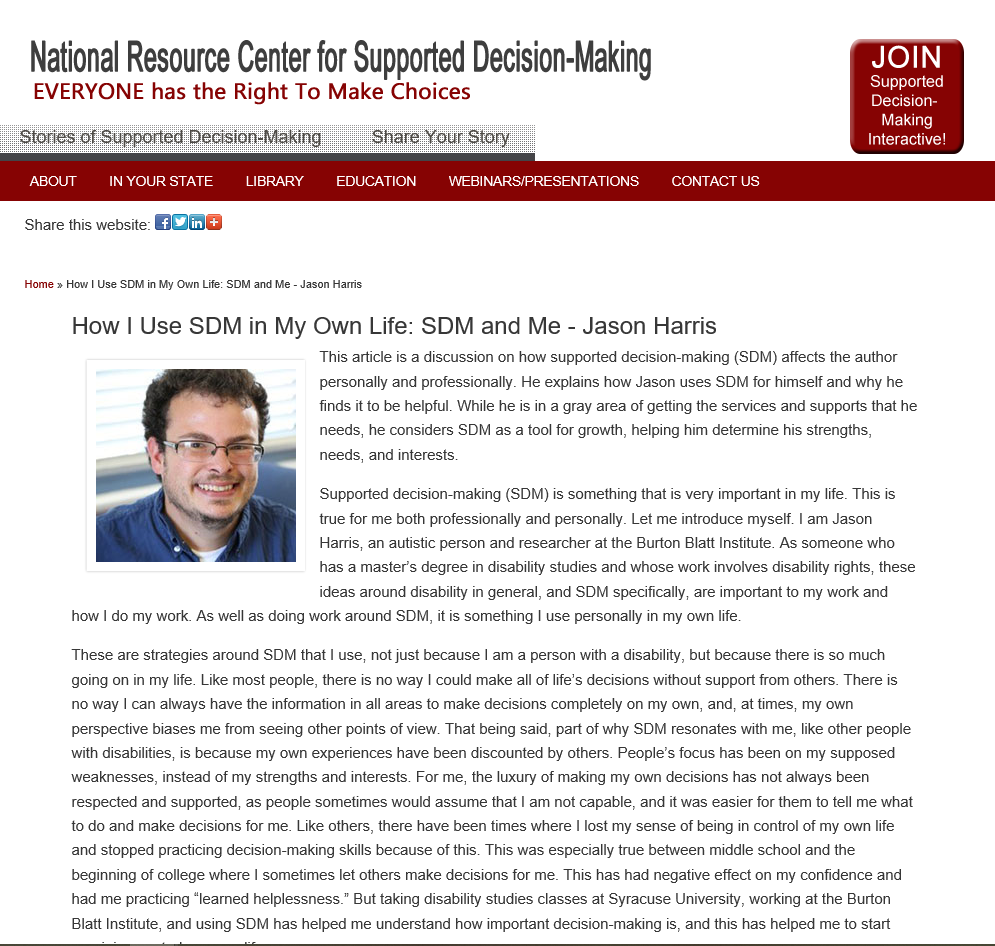
SDM and Me – Jason Harris
Increasingly Consulted, but not yet Participating
Report on Legislation by the Mental Health and Disability Law Committee
Reflections on Making Supported Decision Making a Reality
Stop, Look and Listen to Me
Looking Differently at Disability and Decision Making
10 Ways to Build a Sense of Community
The Right to Make Choices – Easy Read
The Right to Make Choices
The Right to Legal Capacity Under the UN Convention on the Rights of Persons with Disabilities: Key Concepts
What Does It Mean To Be A Citizen?
The Complexity of Choice
Supported Decision Making
Supported Decision Making and the Human Right of Legal Capacity
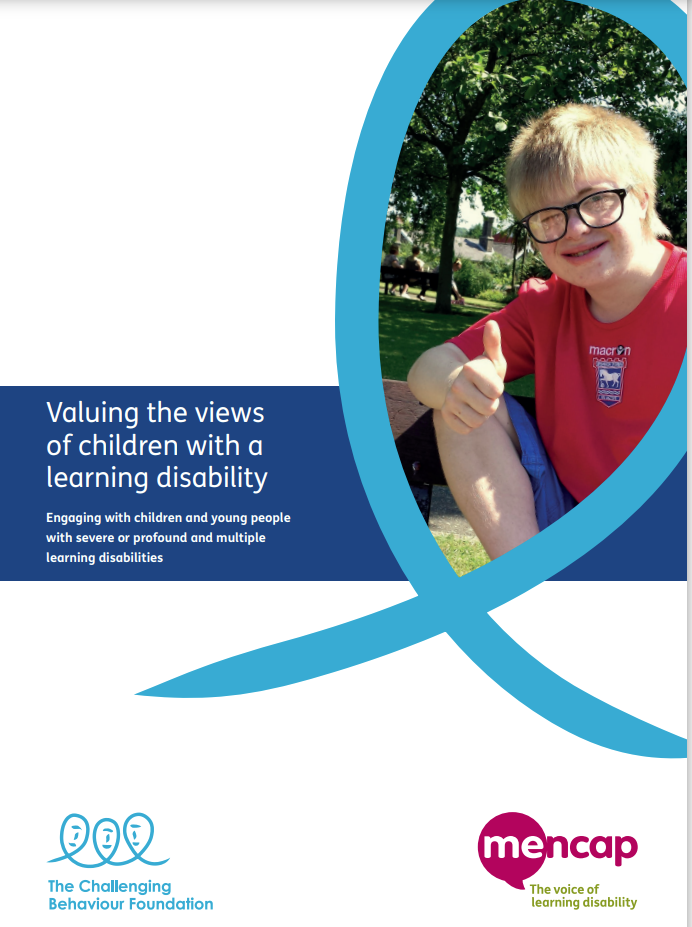
Valuing the views of children with a learning disability
Beyond Guardianship

Supported Decision Making and Paradigm Shifts: Word Play or Real Change?
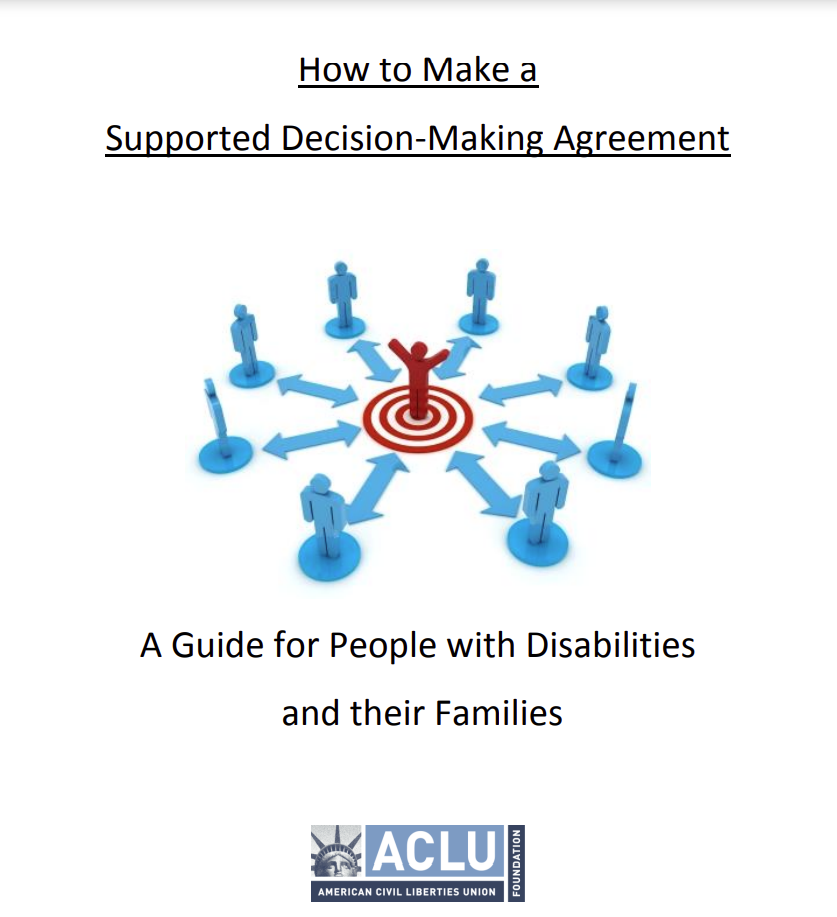
How to Make a Supported Decision Making Agreement
Communication as a Human Right: Citizenship, politics and the role of the speech language pathologist.
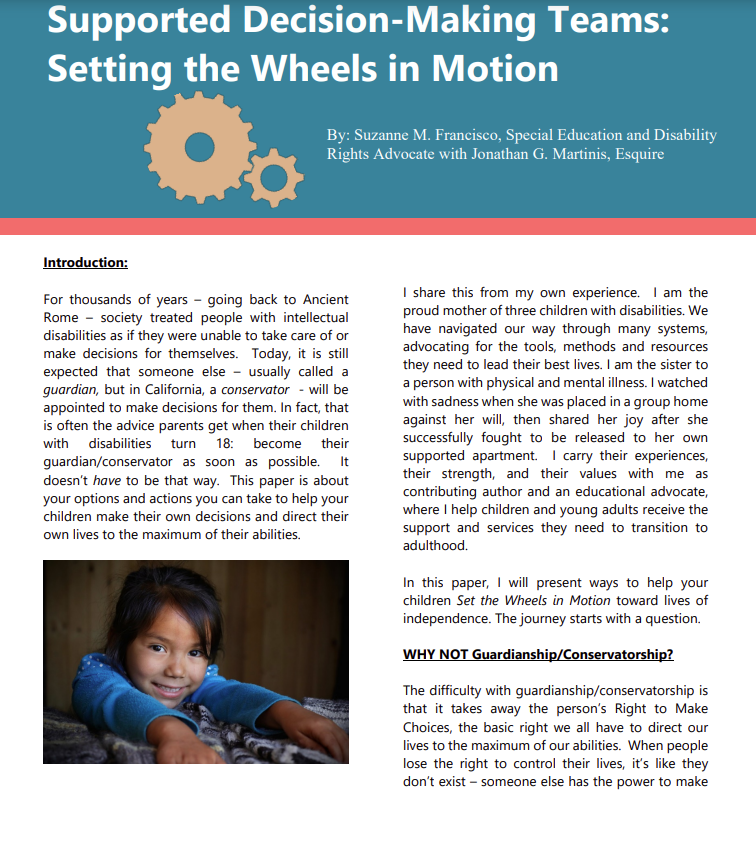
Supported Decision Making Teams: Setting the Wheels in Motion
We are All Citizens: Workbook
Guardianship Reform: Supported Decision Making and Maine’s New Probate Code
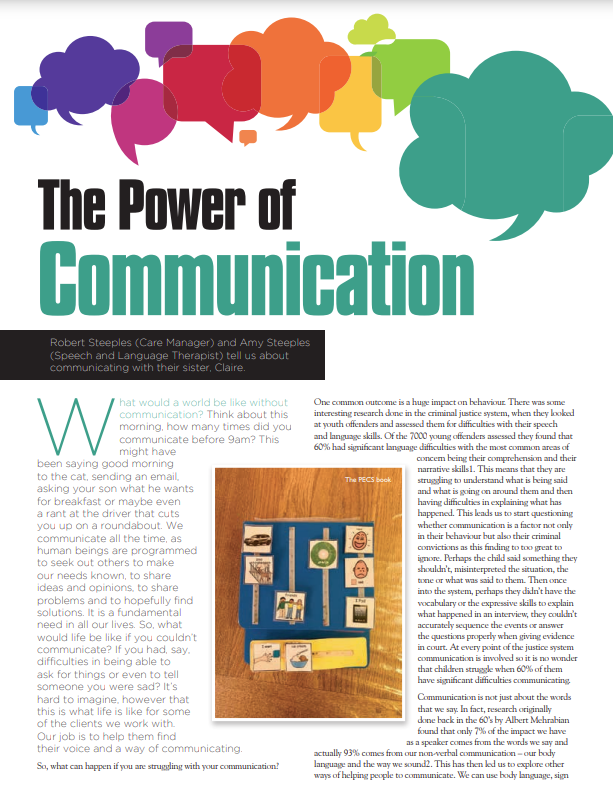
The Power of Communication
Emerging Policy and Practice Issues in Supported Decision Making
We are All Citizens: Facilitation Guide
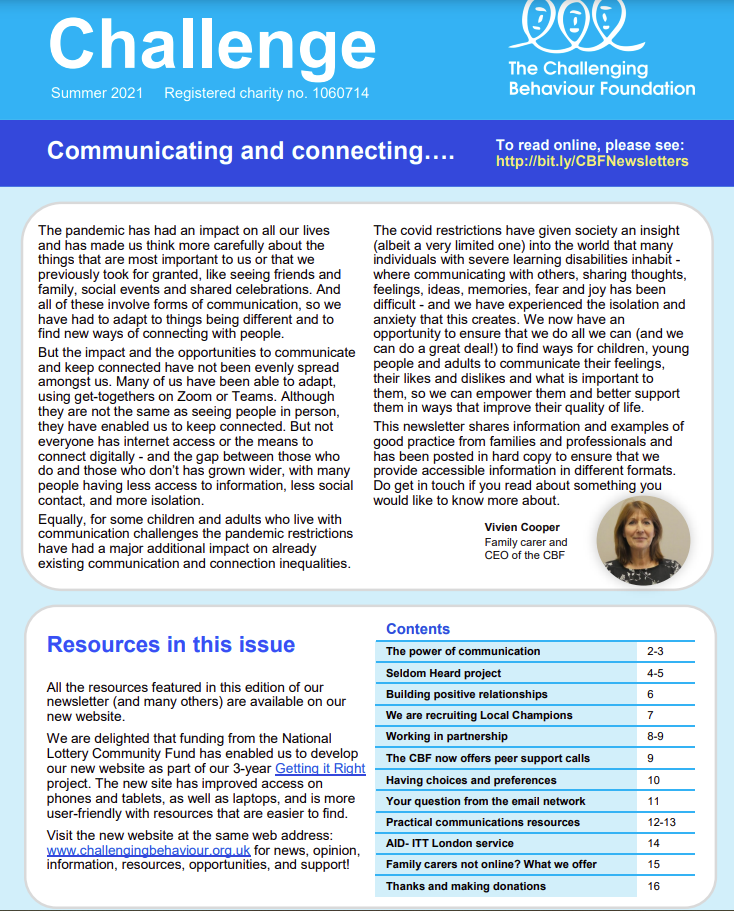
Challenge Newsletter Summer 2021: Communicating and Connecting
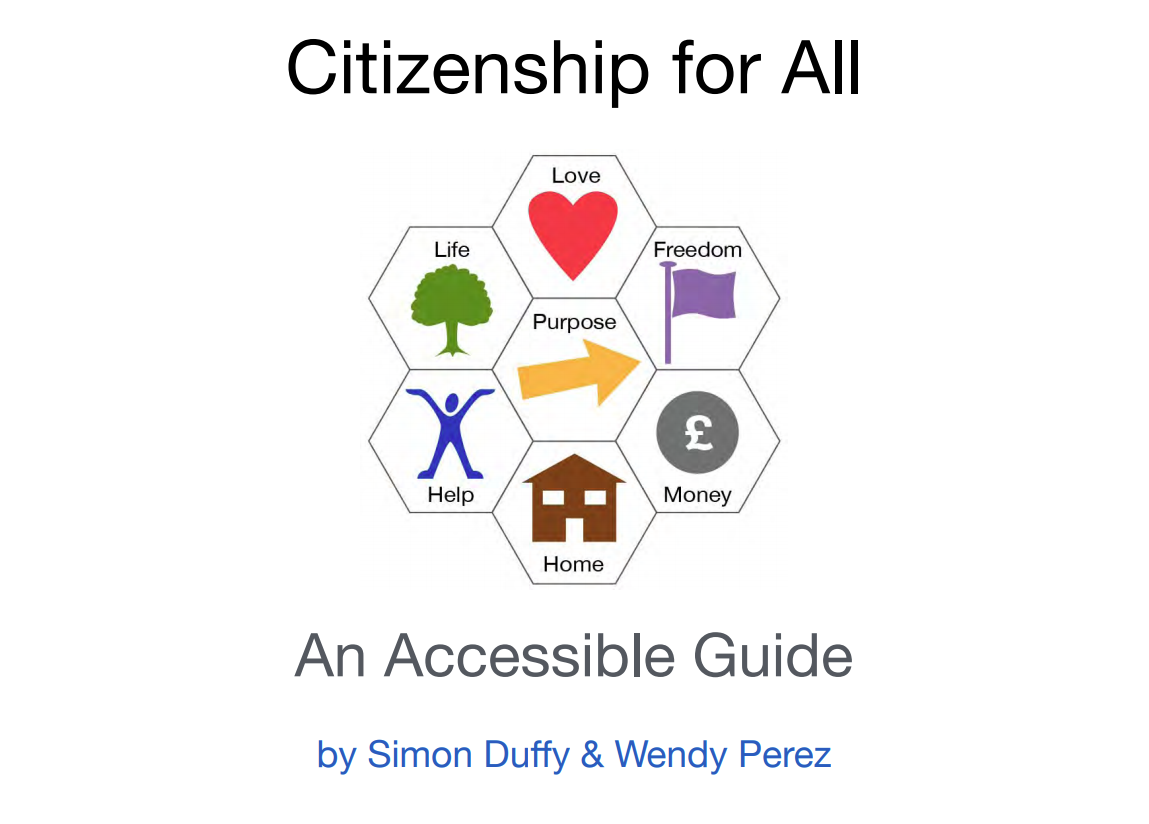
Citizenship for All: An accessible Guide
Citizen Network – A Global Force for Change
Engaging and Empowering Communities: Our Shared Commitment and Call to Action
Convention on the Rights of Persons with Disabilities
Supported Decision Making: A roadmap for reform in Newfoundland and Labrador
Aligning with the flow of control: A grounded theory study of choice and autonomy in decision making practices
Does Reflection Lead to Wise Choices?
A Process of Decision Making Support: Exploring Supported Decision Making Practice in Canada
The Equal Right to Decide in Canada: Closing the Gap – Policy Brief
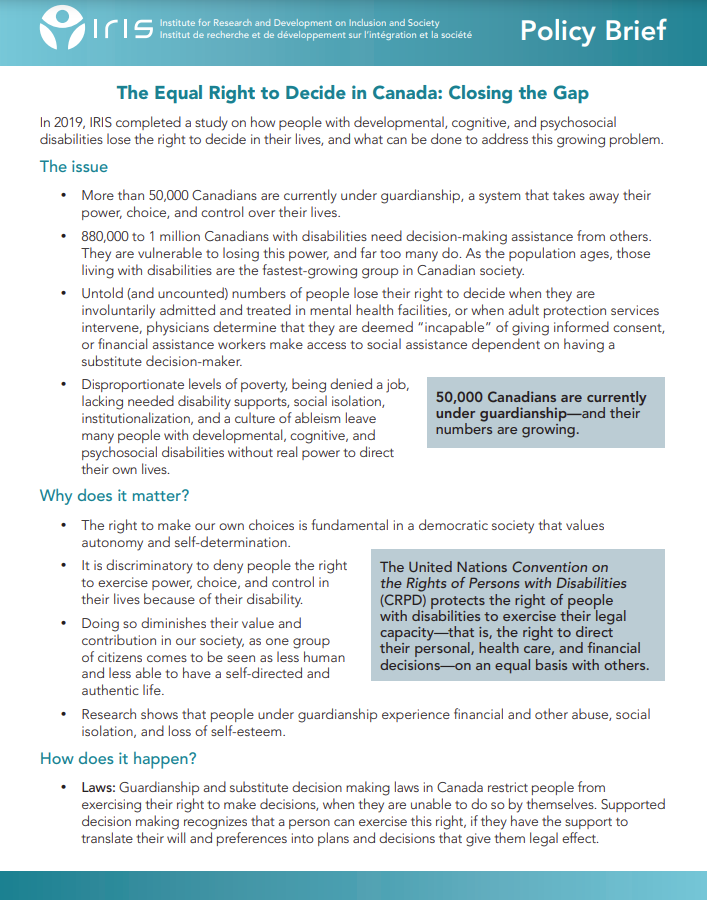
The Equal Right to Decide
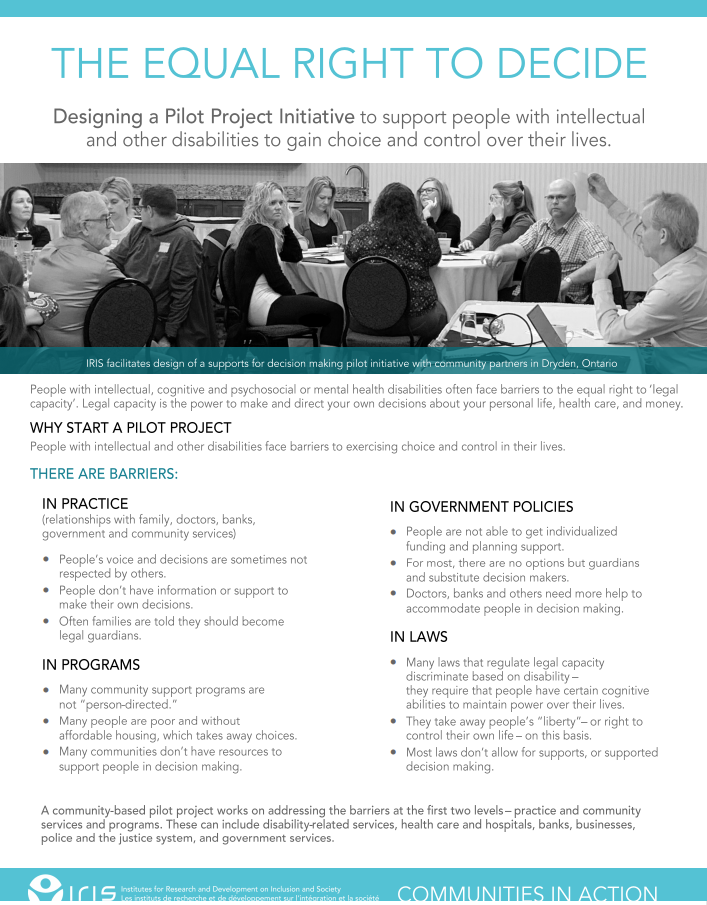
The Right to Decide
100 Ways to Use Supported Decision Making
A Pocket Sized Guide to Supported Decision Making
Supported Decision Making: From Justice for Jenny to Justice for All!
Supported Decision Making From Theory to Practice: Special Education and Vocational Rehabilitation
Sample Supported Decision Making Agreements
Supported Decision Making and The Role Of Sibilings
Supported Decision Making Brainstorming Guide
Supported Decision Making: An Introduction
An introduction to Supported Decision Making and how to make your own Supported Decision Making Plan.
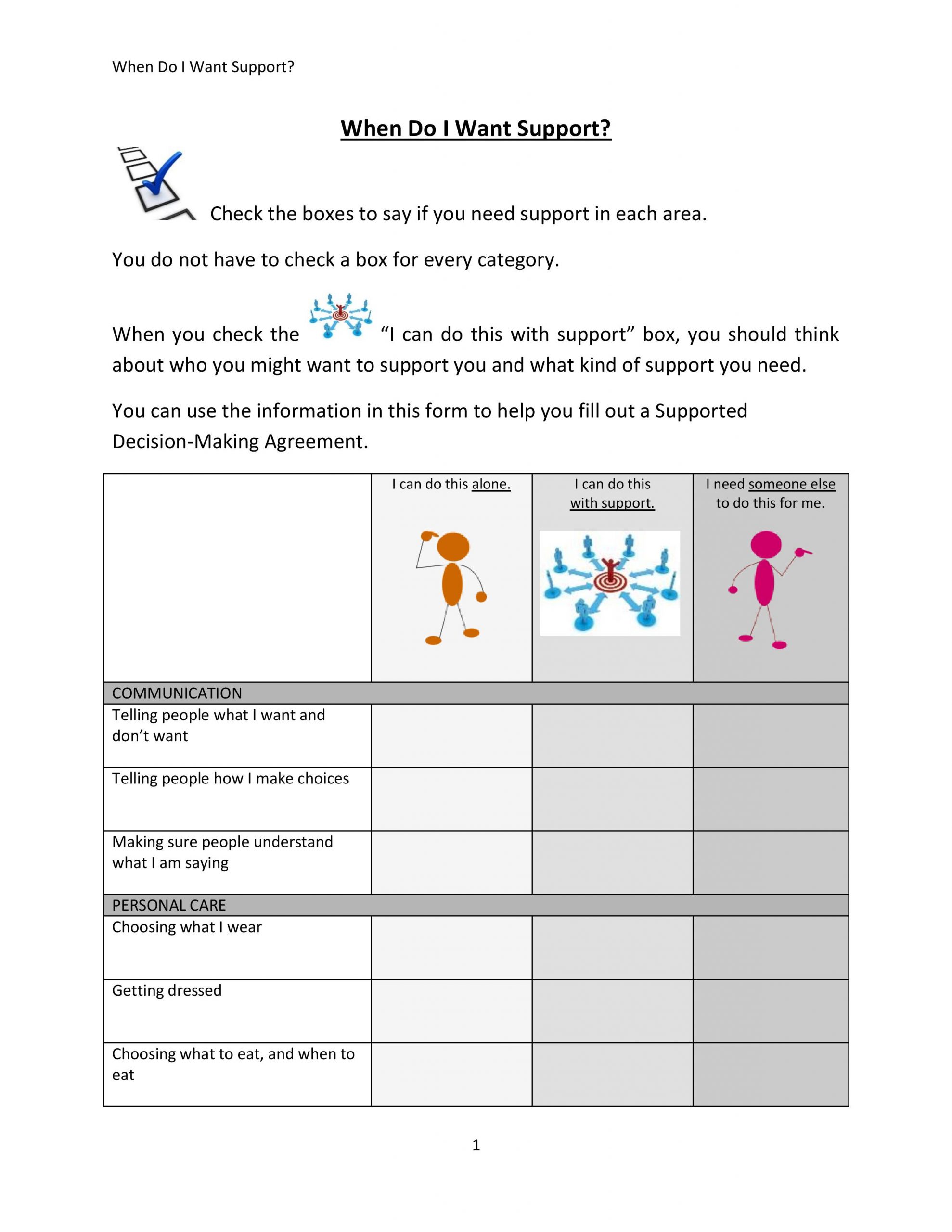
When Do I Want Support? Tool
3 Minute Webinars: Exploring Supported Decision Making
District of Columbia Supported Decision Making Agreement
The Basics of Supported Decision Making
Exploring Supported Decision Making
Supported Decision-Making From Theory to Practice: Health Care and Life Planning

Supported Decision Making with Guardianship
Common Myths about Guardianship

Key Elements of a System for Supported Decision-Making
Paving the way to Full Realization of the CRPD’s Rights to Legal Capacity and Supported Decision-Making: A Canadian Perspective
‘‘The Right to Make Choices’’: The National Resource Center for Supported Decision-Making
Easy Read Summary of Supported Decision Making
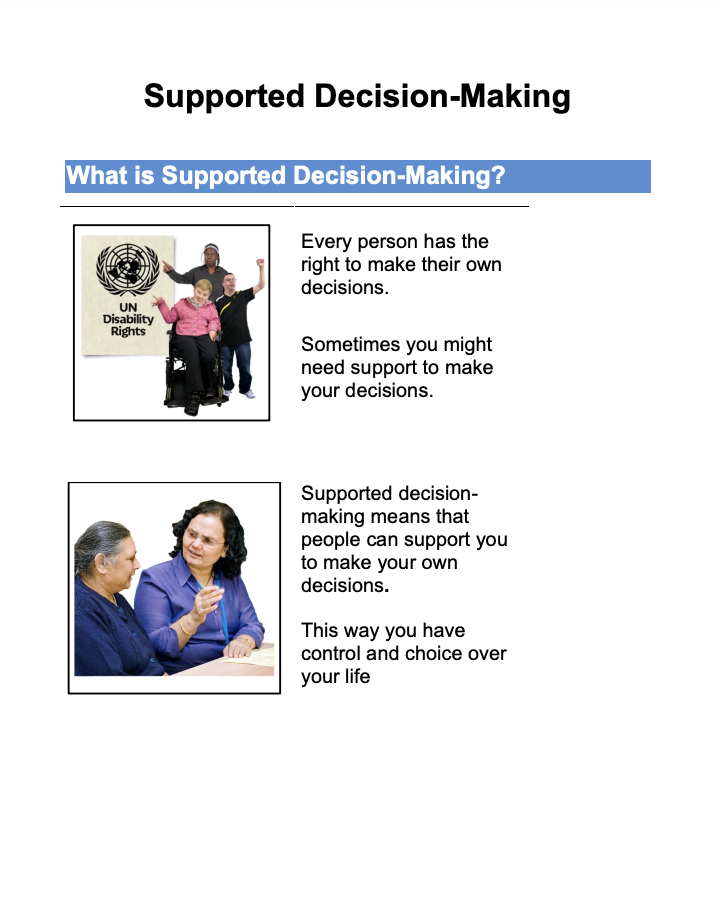
A short easy read summary of what supported decision making is, why it is important and how it works.
Does it matter? Decision-making by People with Learning Disabilities.
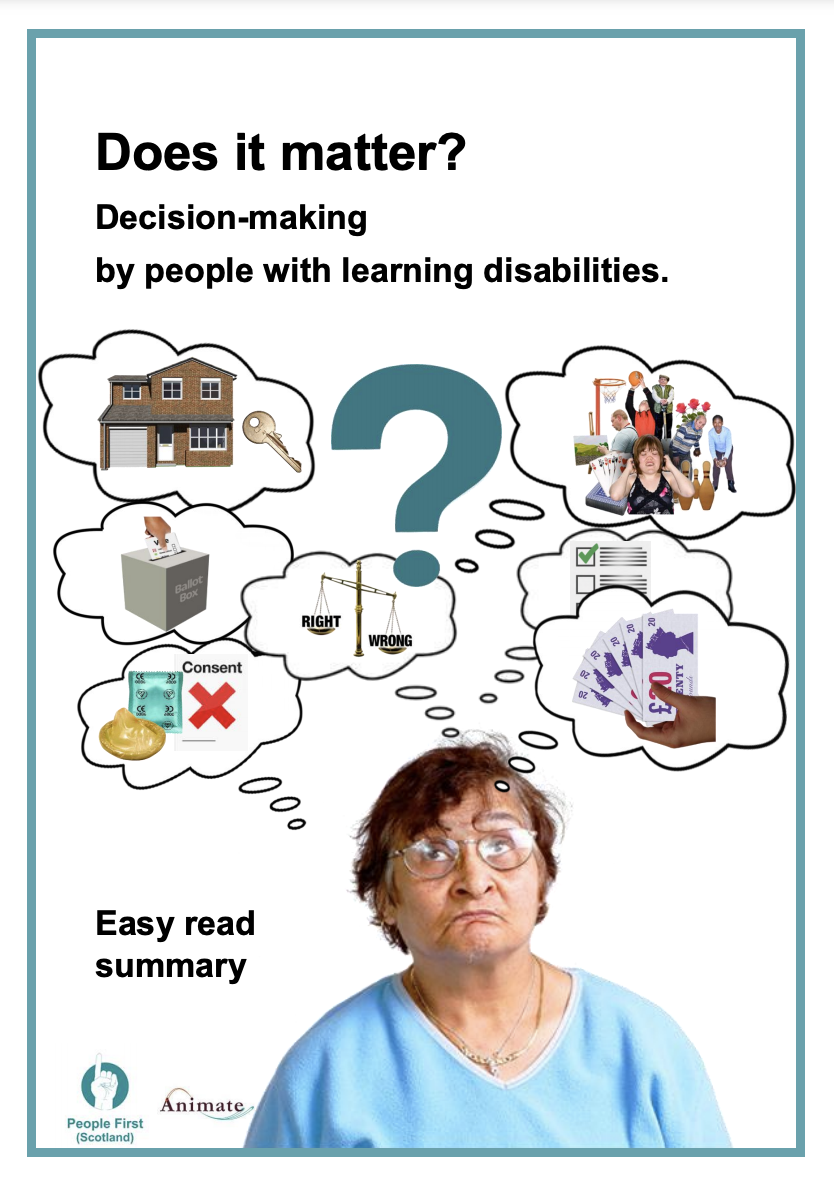
An easy read report, by People First Scotland, about the research they did on decisions and decision-making by adults with learning disabilities. The research aimed to answer the question ‘Does it matter to people with learning disabilities whether they are supported to make their own decisions or have others make decisions for them in their lives?’.
Riding LIFE – Brad Goldman
Brad Goldman is a man with DRIVE. After living for most of the first 25 years of his life at Metheny Hospital and School in Peapack, NJ, he sought out the support of Neighbours Inc. to assist him in pursuing his vision of life as someone who had the power and authority to create life he wanted to live. Seventeen years later, Brad has lived in his own apartment, managed his own staff, and thrives as a painter, photographer, and business entrepreneur.
A New Paradigm for Protecting Autonomy and the Right to Legal Capacity
Beyond Guardianship: Supported Decision Making By Individuals With Intellectual Disabilities
Guardianship deprives people with intellectual disabilities of their ability to make their own decisions, and of legal recognition of those decisions. A guardian is appointed by a court to make some or all decisions for the person, based on “substituted judgment,” taking into account what the person wants or would have wanted. If the guardian does not know what the person wants or would have wanted, the guardian can make a decision based on his or her view of the person’s “best interests.”
Ratification of the UN Convention on The Rights of Person with Disabilities would create both the opportunity and obligation to move from a legal system that measures and judges “mental capacity” – and that, upon a finding of”incapacity,” appoints a guardian to make substituted or best interest decisions for the person under guardianship – to a system that affirms the legal capacity of persons with intellectual disabilities and provides them with the supports necessary to make their own decisions and have those decisions legally recognized.
Claiming Full Citizenship 2015 International Conference
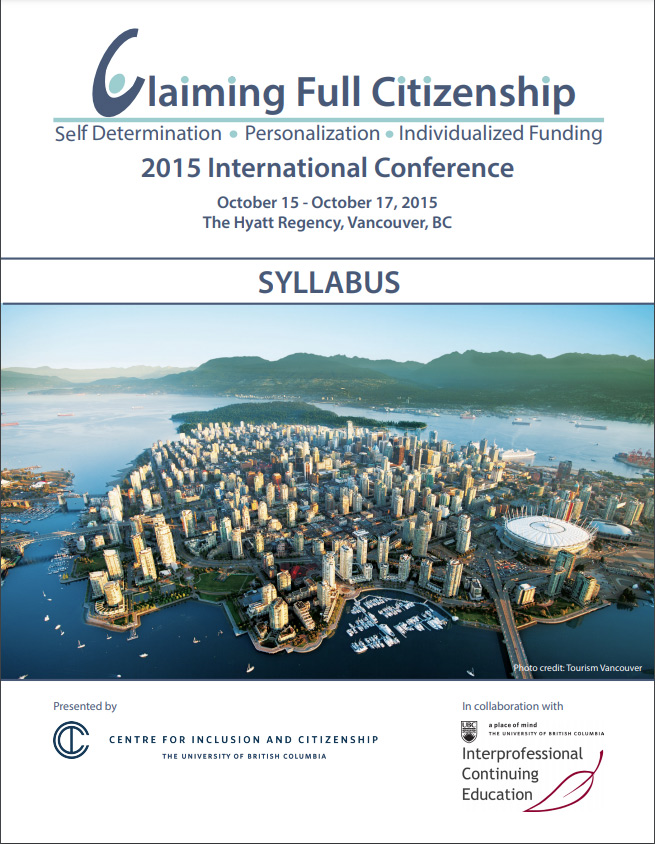
With the passage of the UN Convention on the Rights of Persons with Disabilities, self-determination, personalization and individualized funding initiatives have a new foundation upon which to build. In countries all over the world, these initiatives are transforming the lives of people with disabilities. Like the shift from institutions to community services, these initiatives are a momentous step forward in assisting people with disabilities and seniors achieve meaningful and rewarding lives as full citizens. In October of 2015, the UBC Centre for Inclusion and Citizenship is hosted “Claiming Full Citizenship: an international conference on Self Determination, Personalization and Individualized Funding”. This document is the syllabus from this event.
Equal Rights For All! Access To Rights And Justice For People With Intellectual Disabilities
Most people with intellectual disabilities in Europe cannot fully participate in the normal life of society. They experience social exclusion and discrimination and often cannot enjoy the rights and benefits of full citizenship. A recent study of Inclusion Europe also proves that they are often victims of poverty and have a very low rate of employment, even when compared to other groups of disabled people. Co-financed by the European Commission, the partners of the project “Justice, Rights and Inclusion for People with Intellectual Disabilities” have examined and developed strategies that can support the better inclusion of people with intellectual disabilities in society and promote their access to rights and justice.
Future Directions in Supported Decision-Making
This article explores the theoretical foundations of supported decision-making and the evolution of supported decision-making research. It explains the research that is emerging in leading jurisdictions, the United States and Australia, and its potential to transform disability services and laws related to decision-making. Finally, it identifies areas of concern in the direction of such research and provides recommendations for ensuring that supported decision-making remains protective of the rights, will and preferences of people with cognitive disability.
Lessons Learned from the Canadian Experience: Supported Decision-Making Models
Key Elements of a System for Supported Decision Making: Inclusion International Position Paper
The UN Convention on the Rights of Persons with Disabilities demands in its Article 12 equal recognition before the law for all persons with disabilities. This Position Paper explores which key elements are necessary to implement this principle in the legal systems of all countries that have ratified the Convention. Starting from the discussion of some basic notions regarding legal capacity, the Position Paper identifies eight elements that should be considered in the implementation of this article to make the UN Convention a tool that promotes the rights of persons with intellectual disabilities.
Supportive Decision-Making Study
Supportive Decision Making Study
House Joint Resolution 190
This report contains information about the background and context for the alternative to guardianship known as Supported Decision Making.
Self Determination And Person Centred Planning

Older people and people with disabilities can, in Michigan, be in charge of making the decisions affecting their lives. However, if they are dependent on a public system for the services and supports they need, in the past they were not given the power to make these choices. Self-determination with person-centered planning has been mandated in Michigan by MCL 330.1700(g). This may cause the most significant change in the delivery of services to individuals with disabilities in many years. This is a process designed to shift power in negotiating the mental health system from the professional to the individual receiving services.
Supported Decision Making: Protecting Rights, Ensuring Choices
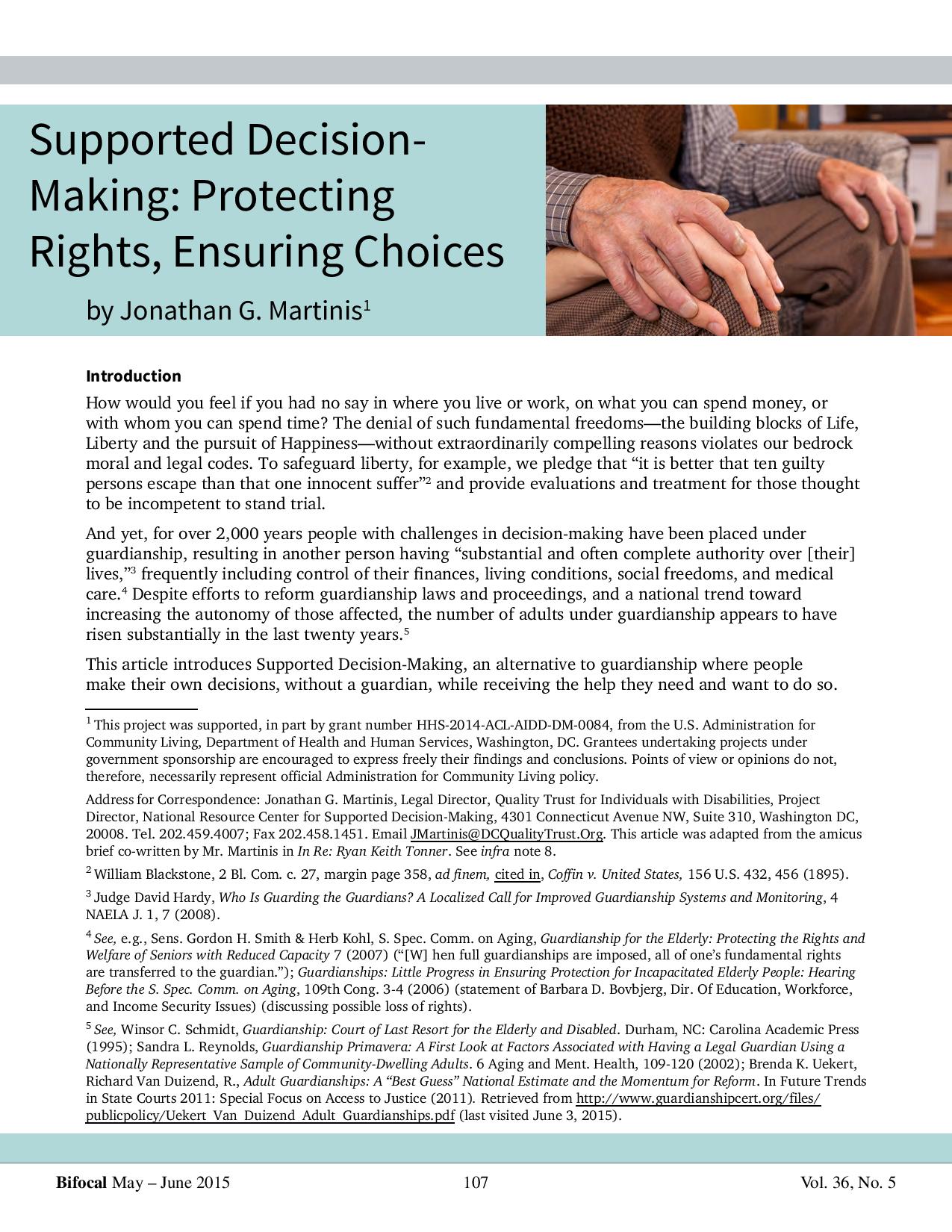
This article introduces Supported Decision-Making, an alternative to guardianship where people make their own decisions, without a guardian, while receiving the help they need and want to do so.
Supported Decision-Making protects and enhances the “principal prerogative all people have to make their own decisions and direct their own lives to the maximum of their abilities” and can improve life outcomes like health, independence, safety, and employment.
Supported Decision-Making for Persons with Mental Illness: A Review
Persons with mental illness (PWMI) are often not afforded the same opportunity to make decisions on a par with others in society. Article 12 of the International Convention on the Rights of Persons with Disabilities (CRPD) states that persons with disabilities should have equal recognition before the law and the right to exercise their legal capacity. Exercising legal capacity can mean making decisions about employment, medical or psychosocial treatment, property, finances, family, and participation in community activities. The aim of this paper is to comprehensively review the evidence on supported decision making for PWMI, both in legislation and research globally, with a focus on low- and middle-income countries (LMICs).
Results reveal only a few countries have provisions for supported decision-making for PWMI, with a particular shortage of such provisions in legislation in LMICs There is also a general paucity of research evidence for supported decision-making, with the majority of research focusing on shared decision-making for treatment decisions. This review highlights the need for additional research in this area to better guide models, which can be utilised in domestic legislation, particularly in LMICs, to better implement the ideals of Article 12 of the CRPD.
Developing an Understanding of Supported Decision-Making Practice in Canada: The Experiences of People with Intellectual Disabilities and Their Supporters
From Provisions to Practice: Implementing The Convention
With supported decision-making, the presumption is always in favour of the person with a disability who will be affected by the decision. The individual is the decision maker; the support person(s) explain(s) the issues, when necessary, and interpret(s) the signs and preferences of the individual. Even when an individual with a disability requires totalsupport, the support person(s) should enable the individual to exercise his/her legal capacity to the greatest extent possible, according to the wishes of the individual. This distinguishes supported decision-making from substituted decision-making, such as advance directives and legal mentors/friends, where the guardian or tutor has court-authorized power to make decisions on behalf of the individual without necessarily having to demonstrate that those decisions are in the individual’s best interest or according to Development and human rights for all.
Legal Capacity, Personhood and Supported Decision Making
Inclusion International Position Paper on Legal Capacity
Inclusion International demands the right of every person with an intellectual disability to have
their right to make decisions recognized and to receive the support they require in making
those decisions. The right to legal capacity includes the capacity to have rights and the capacity to act on those rights, i.e. the capacity to make legal agreements with others.