Region: United Kingdom

Getting Under The Skin Of It

Ten Actions for an Asset Based Area
The Asset Based Area
Friends and Purpose: Evaluation of Camerados Public Living Rooms

Loneliness
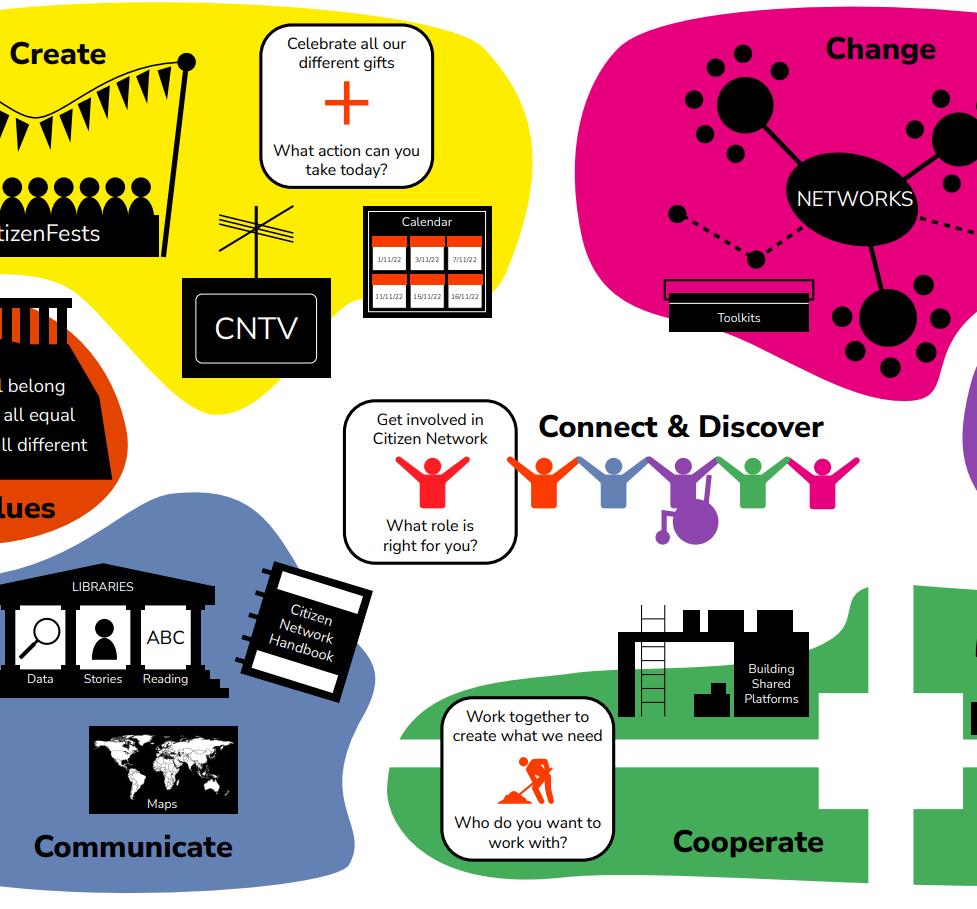
Citizen Network Poster
Freedom: A guide to good support
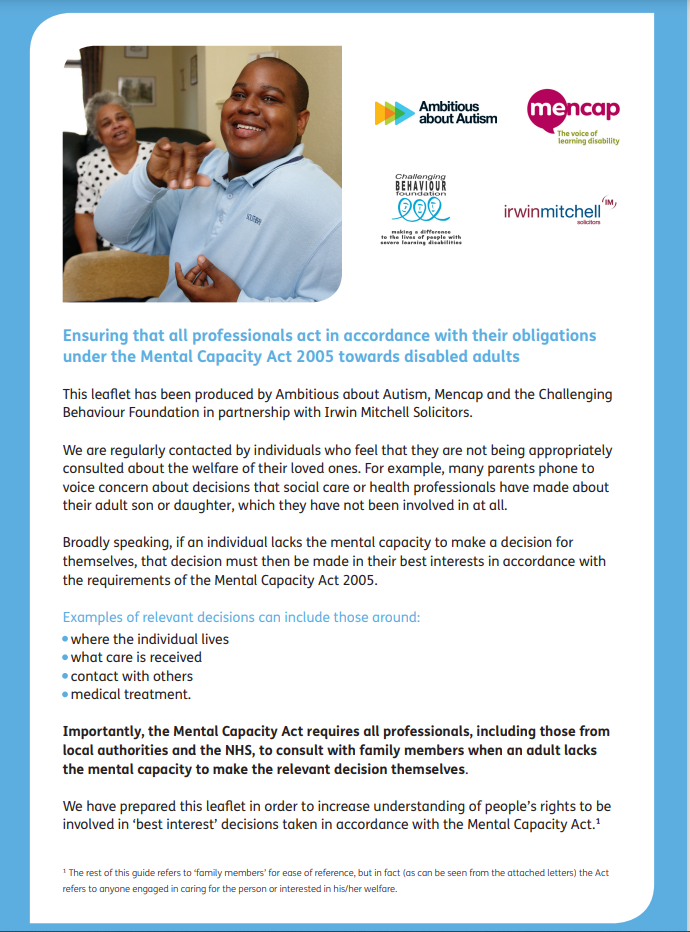
Decision Making, Confidentiality and Sharing Information

Making Decisions – Letter Templates
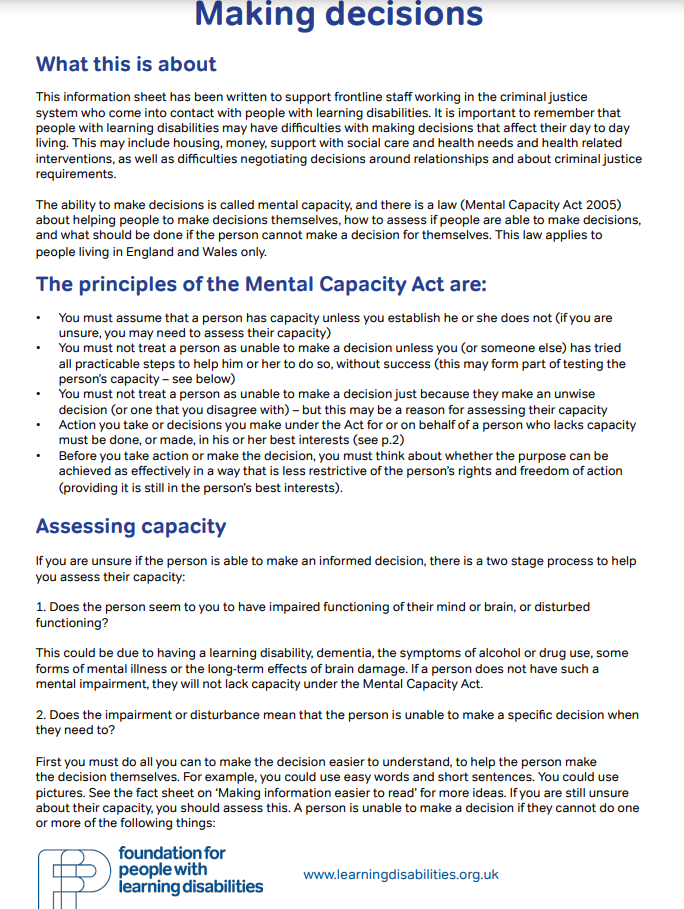
Making Decisions
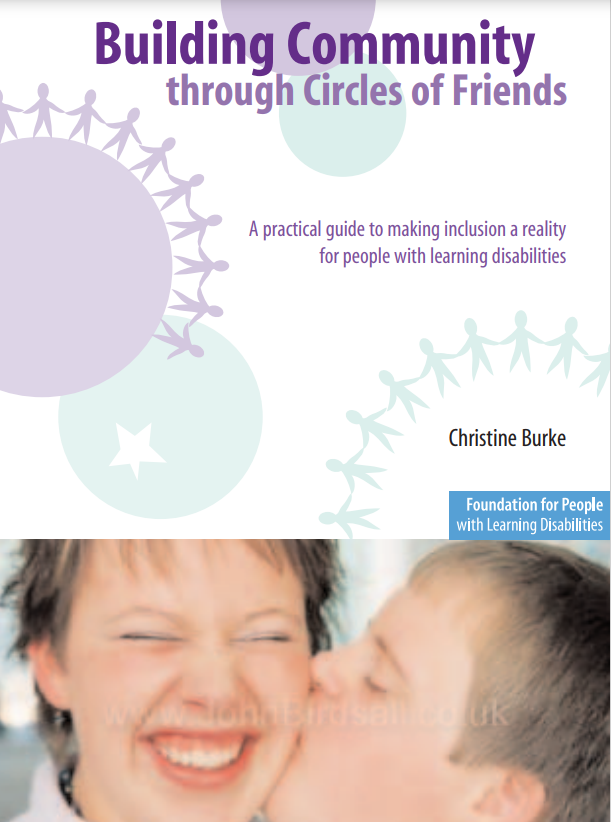
Building Community through Circles of Friends
A Guide to Circles of Support – Easy Read
Damian’s Relationship Circle
A World of Good Relationships
Relationships Project – Turning to The Light
The Relationships Framework
The 3 R’s of Social Care Reform
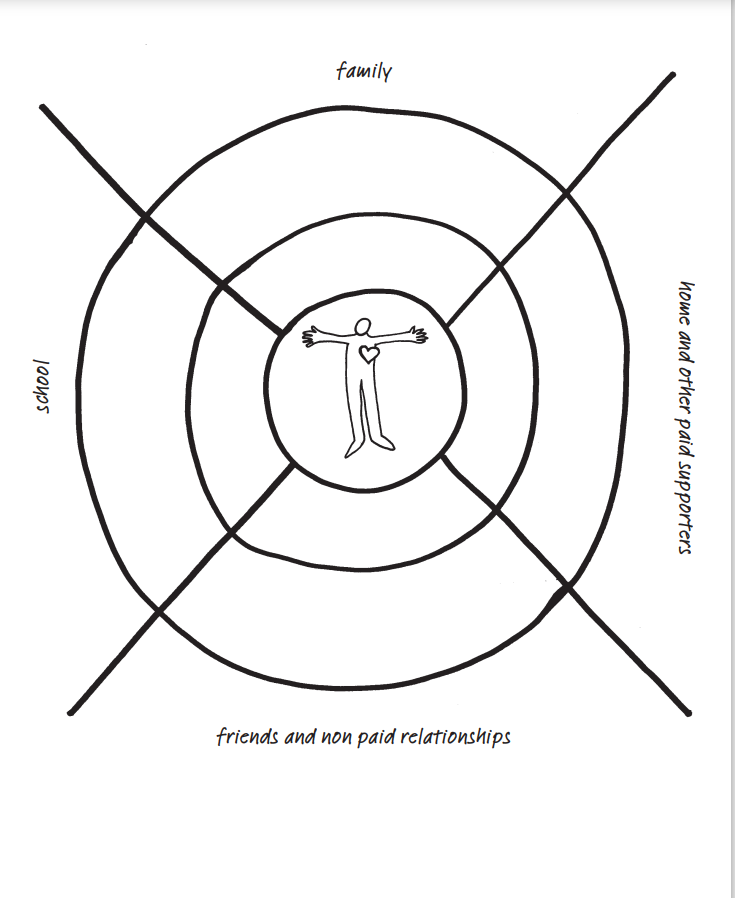
Relationship Circle
Stop, Look and Listen to Me
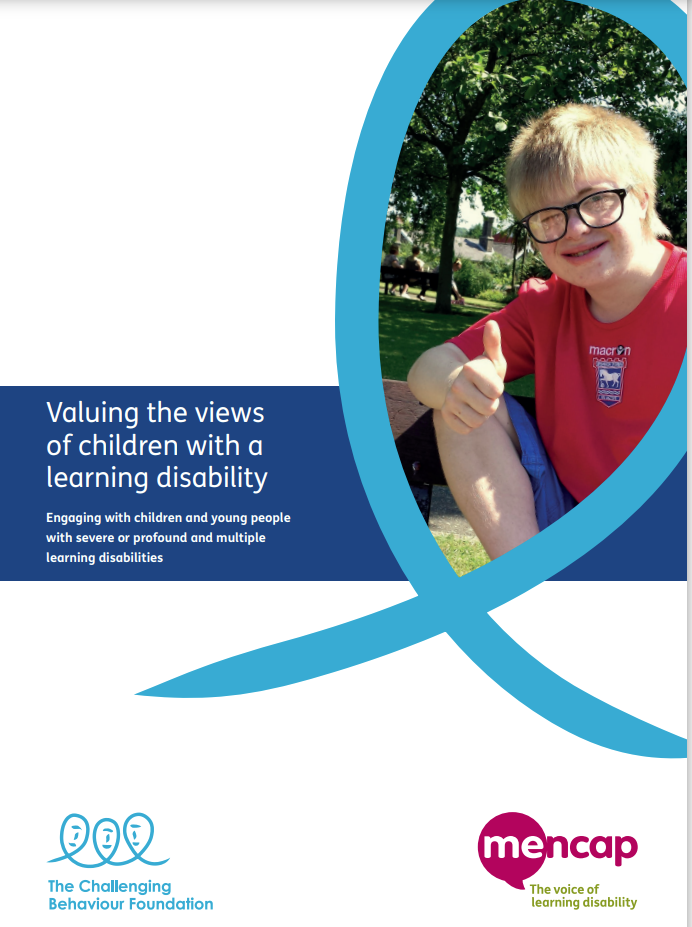
Valuing the views of children with a learning disability
We are All Citizens: Workbook
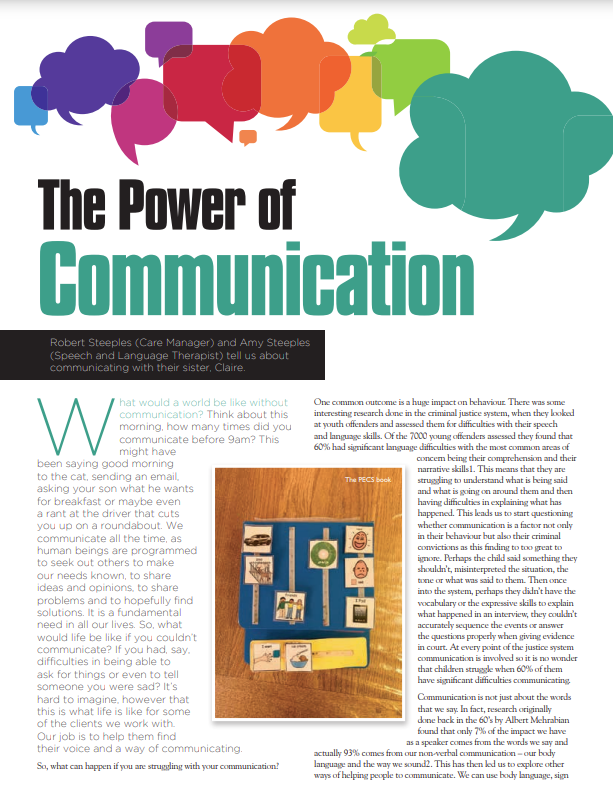
The Power of Communication
We are All Citizens: Facilitation Guide
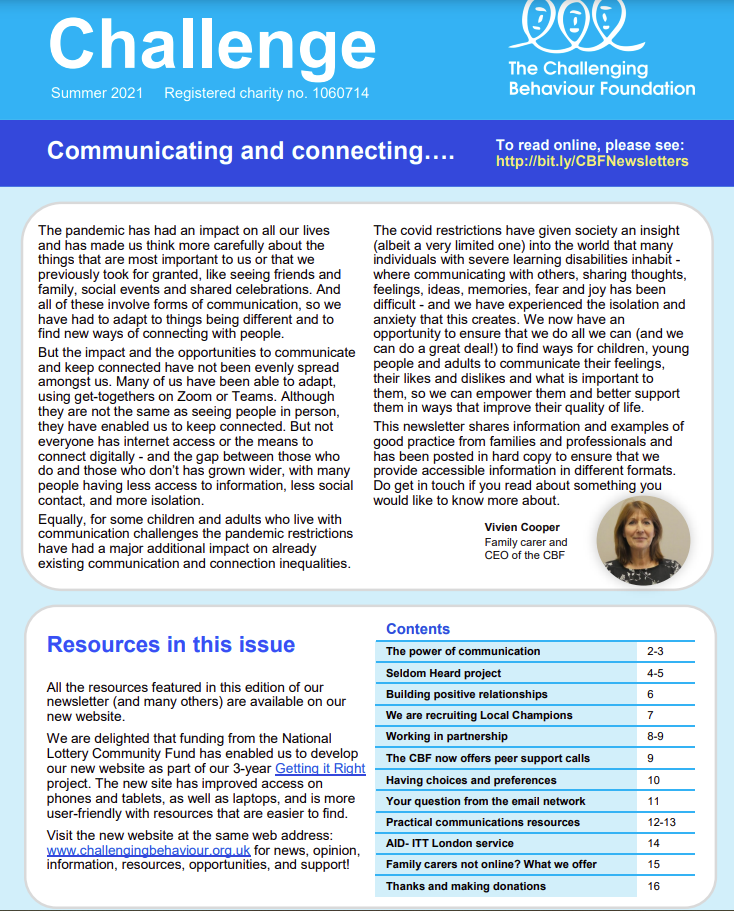
Challenge Newsletter Summer 2021: Communicating and Connecting
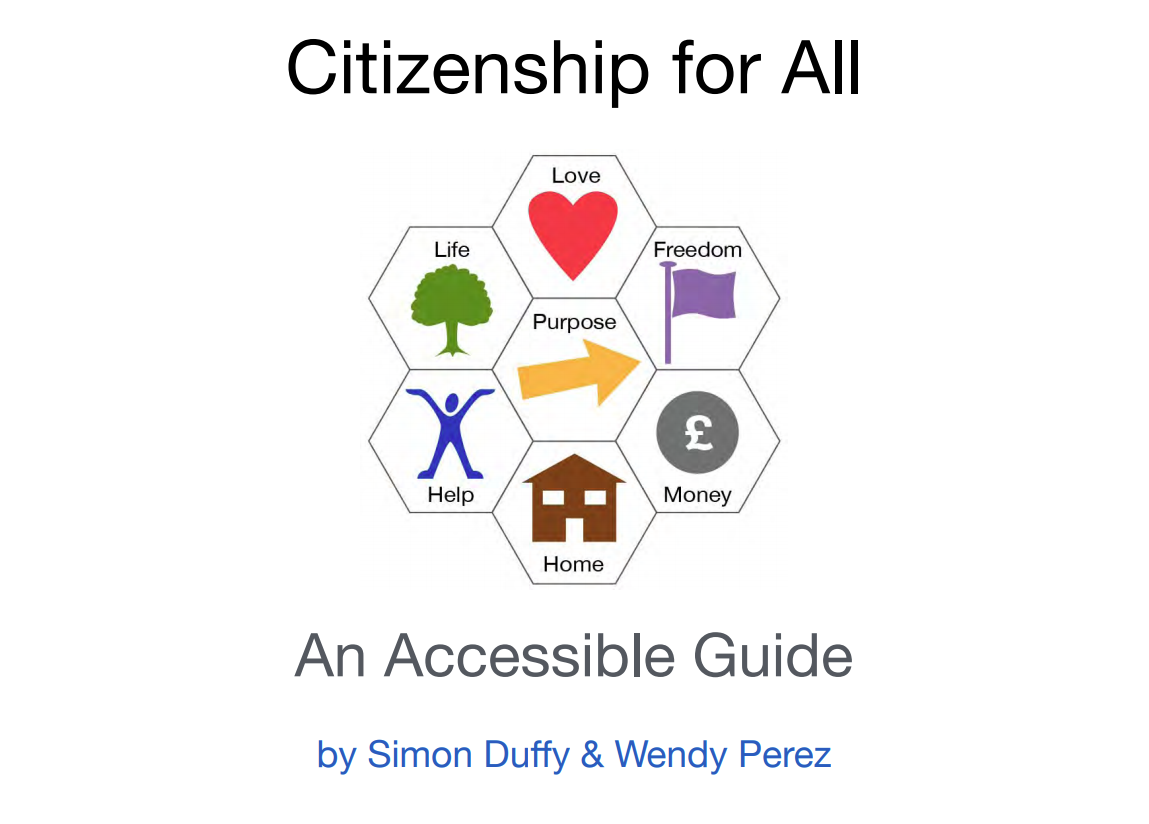
Citizenship for All: An accessible Guide
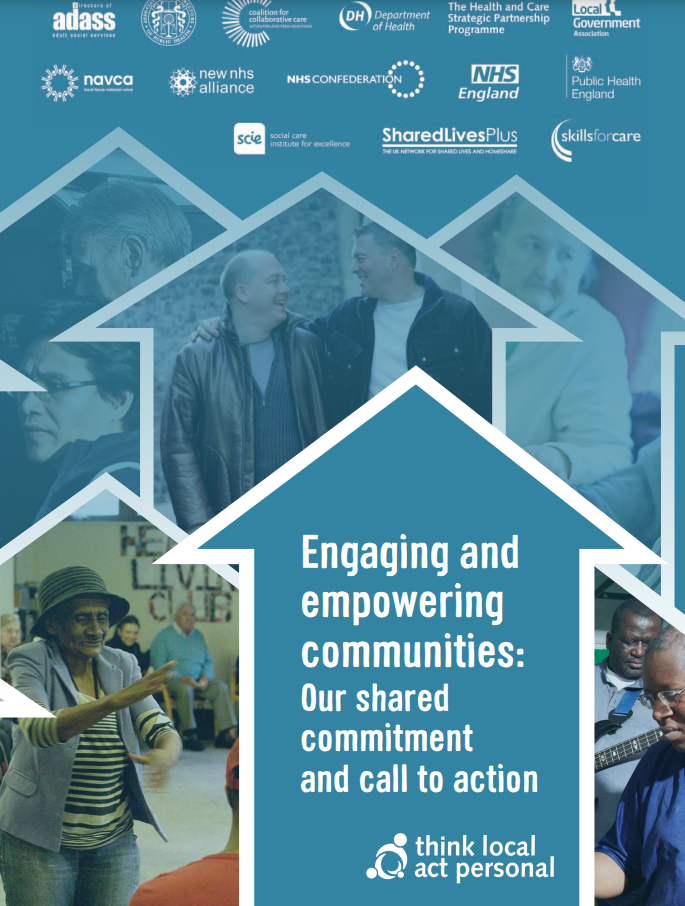
Engaging and Empowering Communities: Our Shared Commitment and Call to Action
Does Reflection Lead to Wise Choices?
Easy Read Summary of Supported Decision Making
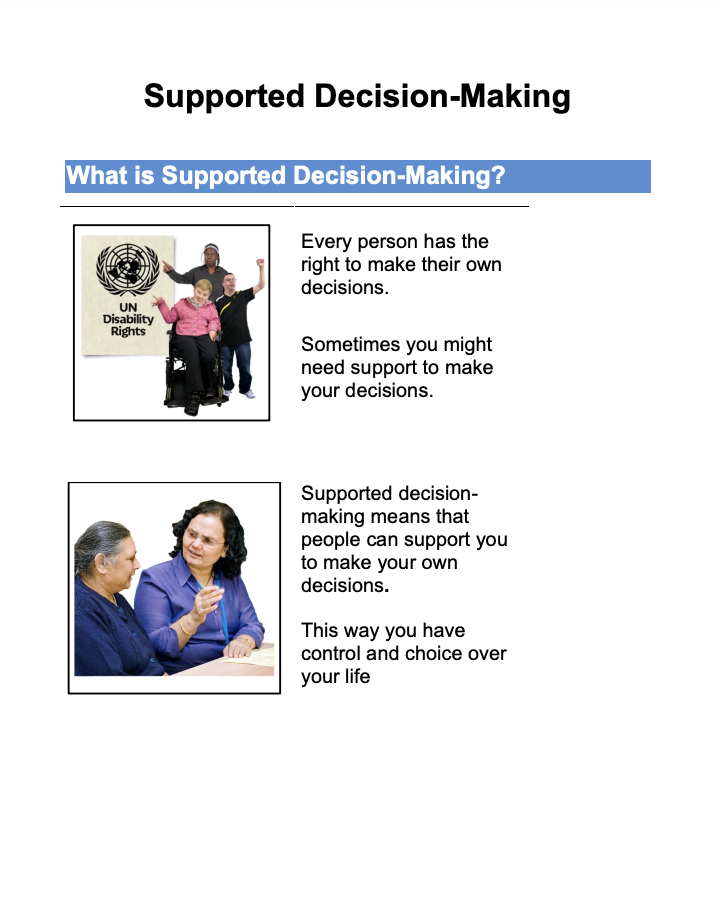
A short easy read summary of what supported decision making is, why it is important and how it works.
Does it matter? Decision-making by People with Learning Disabilities.
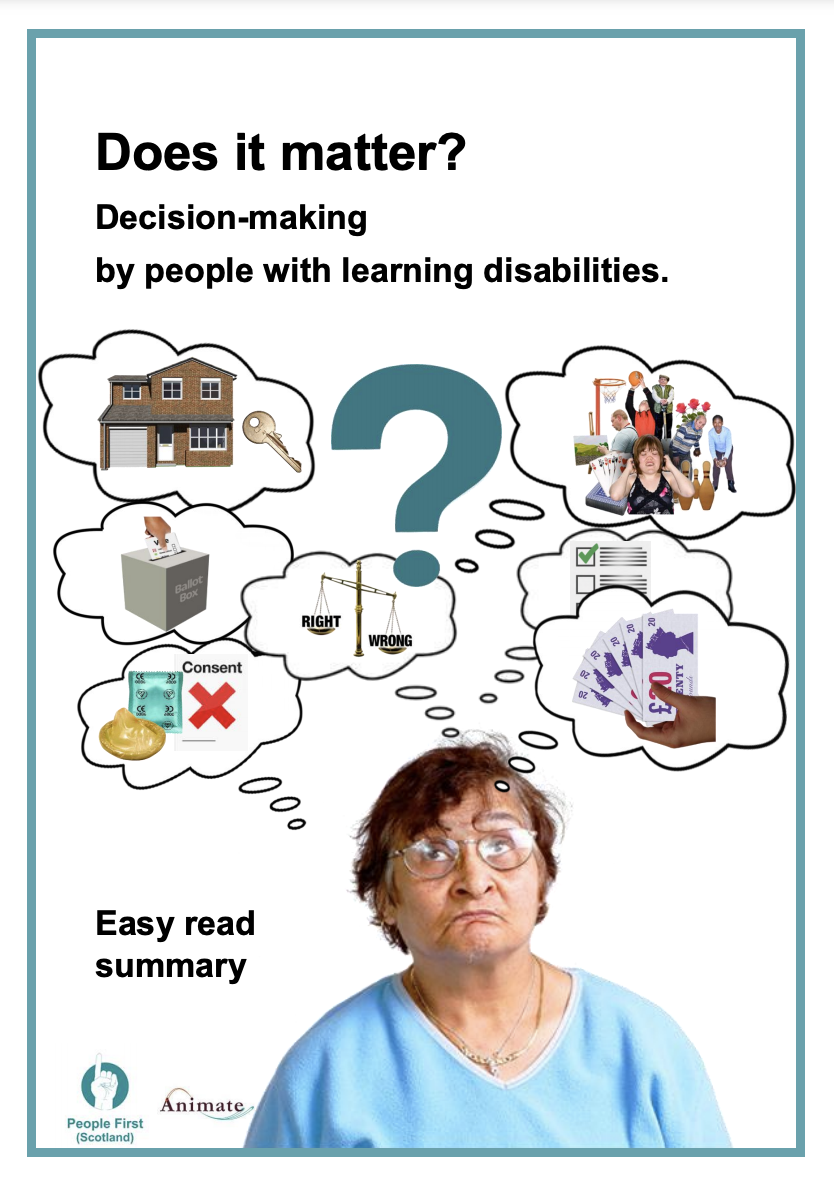
An easy read report, by People First Scotland, about the research they did on decisions and decision-making by adults with learning disabilities. The research aimed to answer the question ‘Does it matter to people with learning disabilities whether they are supported to make their own decisions or have others make decisions for them in their lives?’.
From Provisions to Practice: Implementing The Convention
With supported decision-making, the presumption is always in favour of the person with a disability who will be affected by the decision. The individual is the decision maker; the support person(s) explain(s) the issues, when necessary, and interpret(s) the signs and preferences of the individual. Even when an individual with a disability requires totalsupport, the support person(s) should enable the individual to exercise his/her legal capacity to the greatest extent possible, according to the wishes of the individual. This distinguishes supported decision-making from substituted decision-making, such as advance directives and legal mentors/friends, where the guardian or tutor has court-authorized power to make decisions on behalf of the individual without necessarily having to demonstrate that those decisions are in the individual’s best interest or according to Development and human rights for all.