Region: European Union
I Am The Director of My Own Institution
The Need for Roots: On Citizenship by Simon Duffy
Ensuring Disability Rights in Civil Judicial Cooperation
EU Human Rights Report: Sustainable Development Goals
Disability in a Human Rights Context
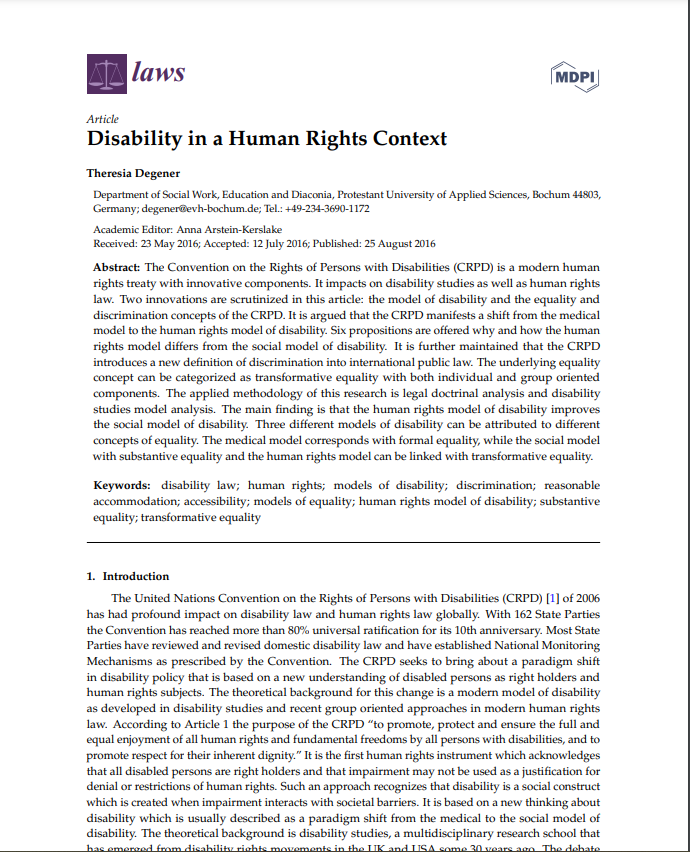
Our Lives, Our Voices: Reclaiming the Narrative
The Situation of Indigenous Children with Disabilities
Book review: Global Perspectives on legal capacity reform: Our Voices, Our Stories
19 Stories of Social Inclusion – Easy Read
19 Stories of Social Inclusion
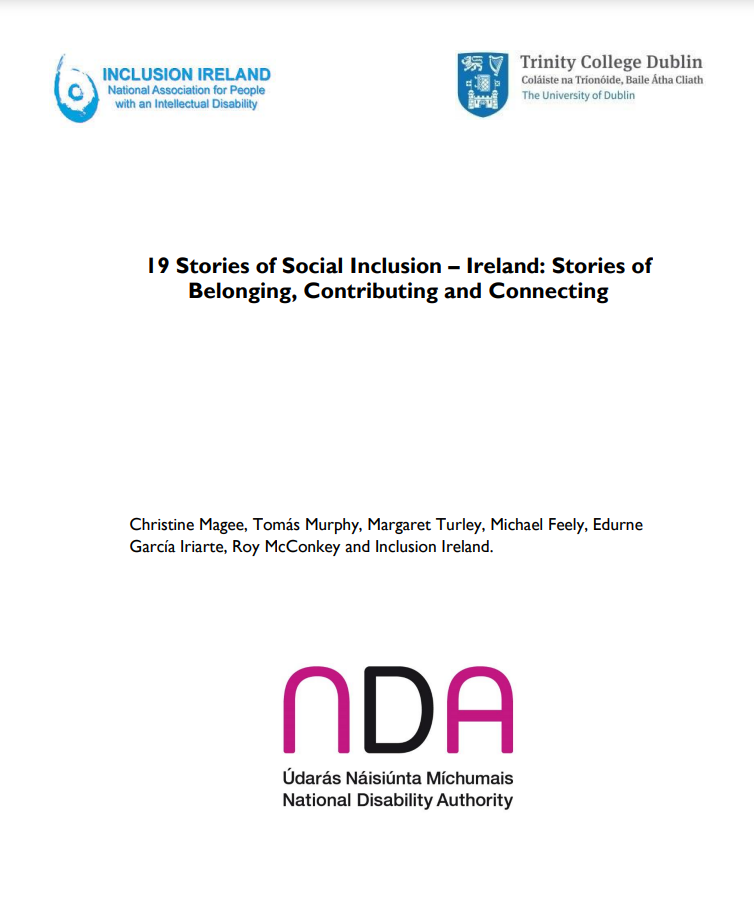
Union of Equality: Strategy for the Rights of Persons with Disability 2021-2030
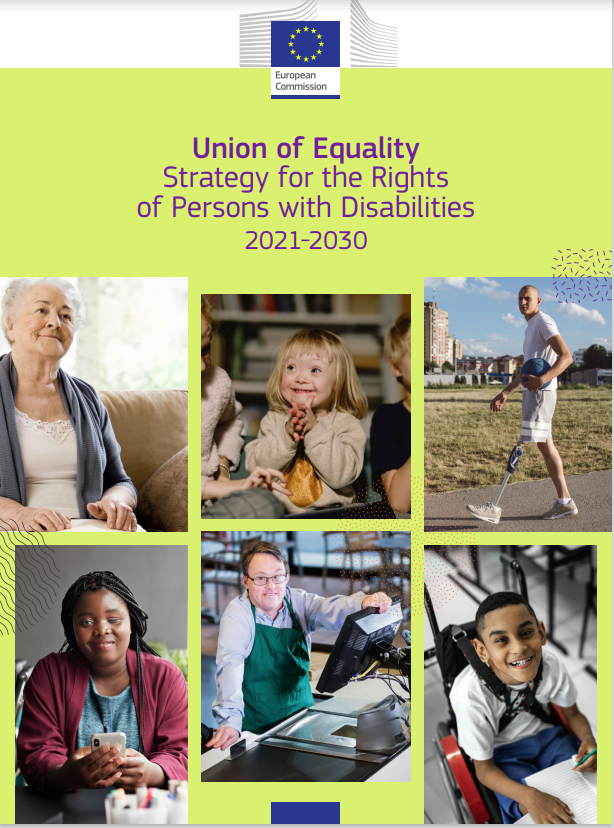
The use of neuroscience and psychological measurement in England’s Court of Protection
Editorial: Human Rights and Mental Health: Current Developments in Competence Assessment and Supported Decision Making
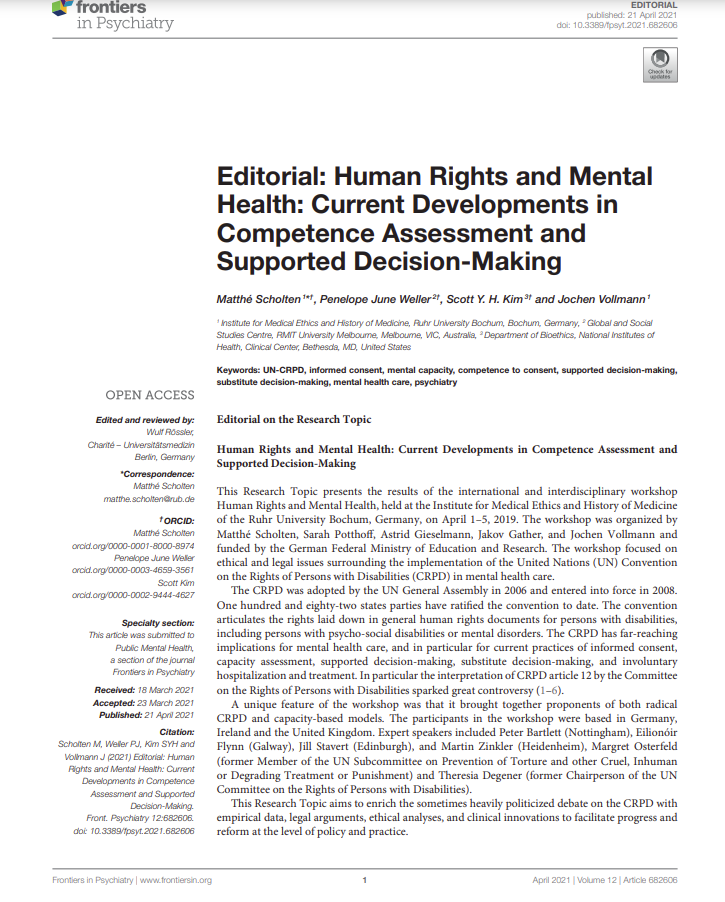
Supported Decision Making : Experiences, Approaches and Preferences
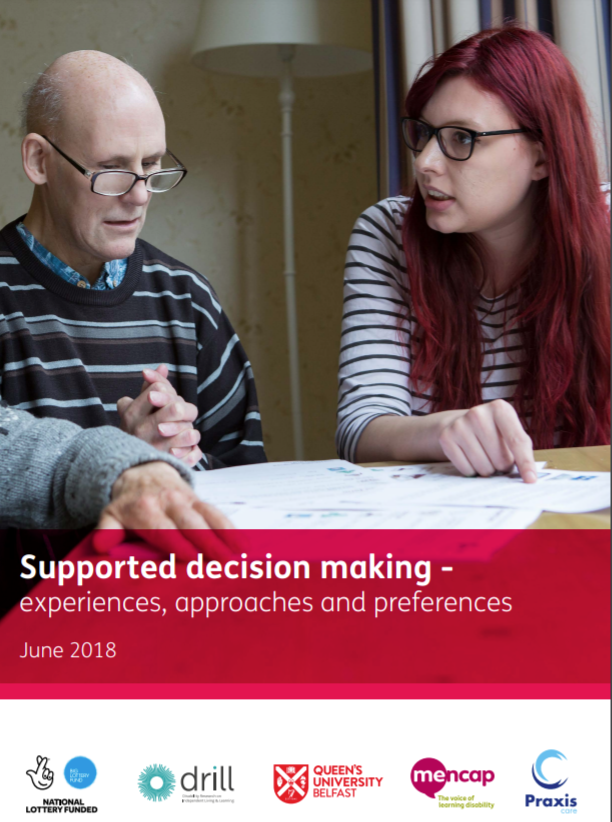
Supported Decision Making: Experiences, Approaches and Preferences-Easy Read
Supported Decision Making and Paradigm Shifts: Word Play or Real Change?
Communication as a Human Right: Citizenship, politics and the role of the speech language pathologist.
Aligning with the flow of control: A grounded theory study of choice and autonomy in decision making practices
Key Elements of a System for Supported Decision-Making
Equal Rights For All! Access To Rights And Justice For People With Intellectual Disabilities
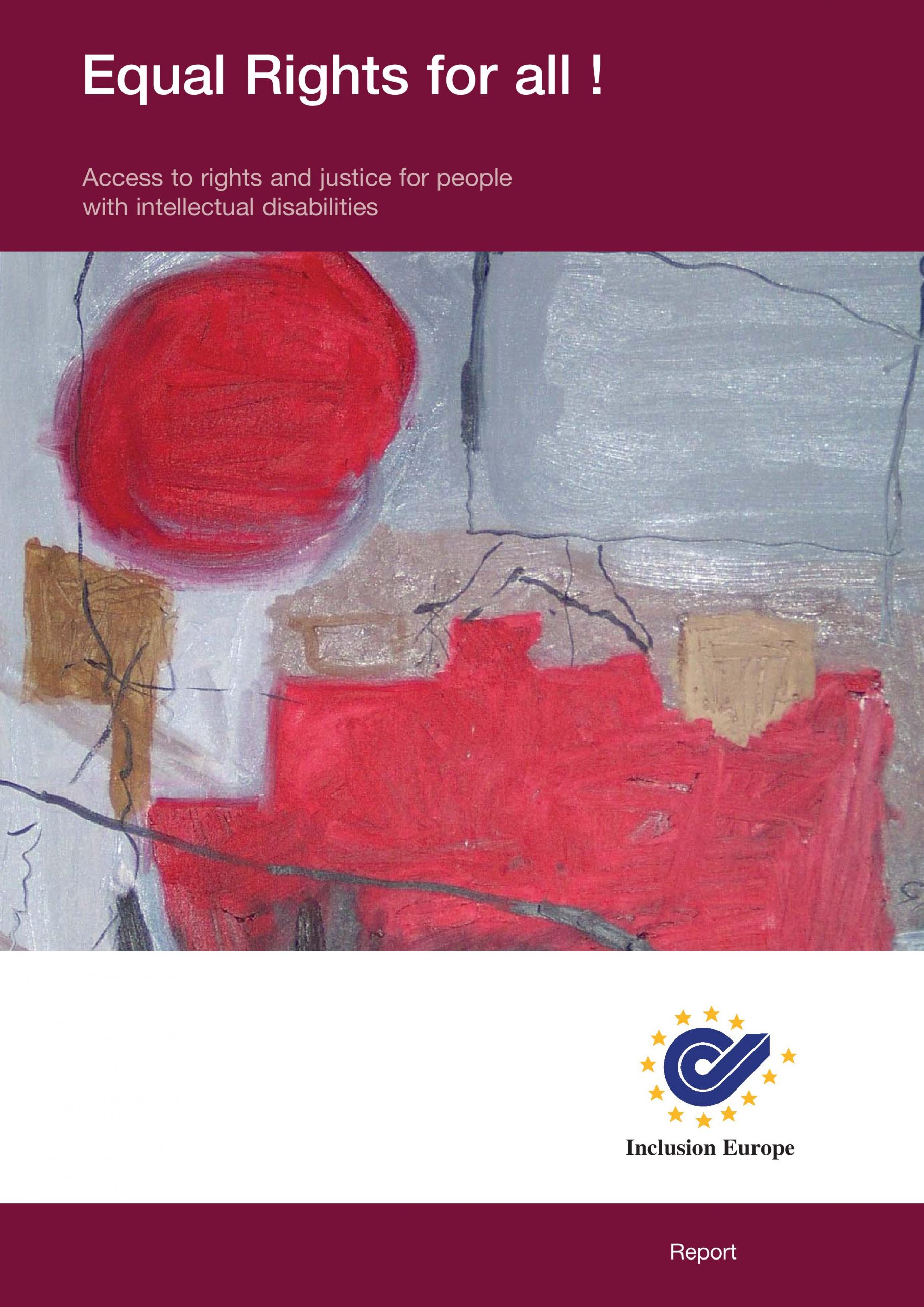
Most people with intellectual disabilities in Europe cannot fully participate in the normal life of society. They experience social exclusion and discrimination and often cannot enjoy the rights and benefits of full citizenship. A recent study of Inclusion Europe also proves that they are often victims of poverty and have a very low rate of employment, even when compared to other groups of disabled people. Co-financed by the European Commission, the partners of the project “Justice, Rights and Inclusion for People with Intellectual Disabilities” have examined and developed strategies that can support the better inclusion of people with intellectual disabilities in society and promote their access to rights and justice.
Supported Decision-Making for Persons with Mental Illness: A Review
Persons with mental illness (PWMI) are often not afforded the same opportunity to make decisions on a par with others in society. Article 12 of the International Convention on the Rights of Persons with Disabilities (CRPD) states that persons with disabilities should have equal recognition before the law and the right to exercise their legal capacity. Exercising legal capacity can mean making decisions about employment, medical or psychosocial treatment, property, finances, family, and participation in community activities. The aim of this paper is to comprehensively review the evidence on supported decision making for PWMI, both in legislation and research globally, with a focus on low- and middle-income countries (LMICs).
Results reveal only a few countries have provisions for supported decision-making for PWMI, with a particular shortage of such provisions in legislation in LMICs There is also a general paucity of research evidence for supported decision-making, with the majority of research focusing on shared decision-making for treatment decisions. This review highlights the need for additional research in this area to better guide models, which can be utilised in domestic legislation, particularly in LMICs, to better implement the ideals of Article 12 of the CRPD.