Region: Canada
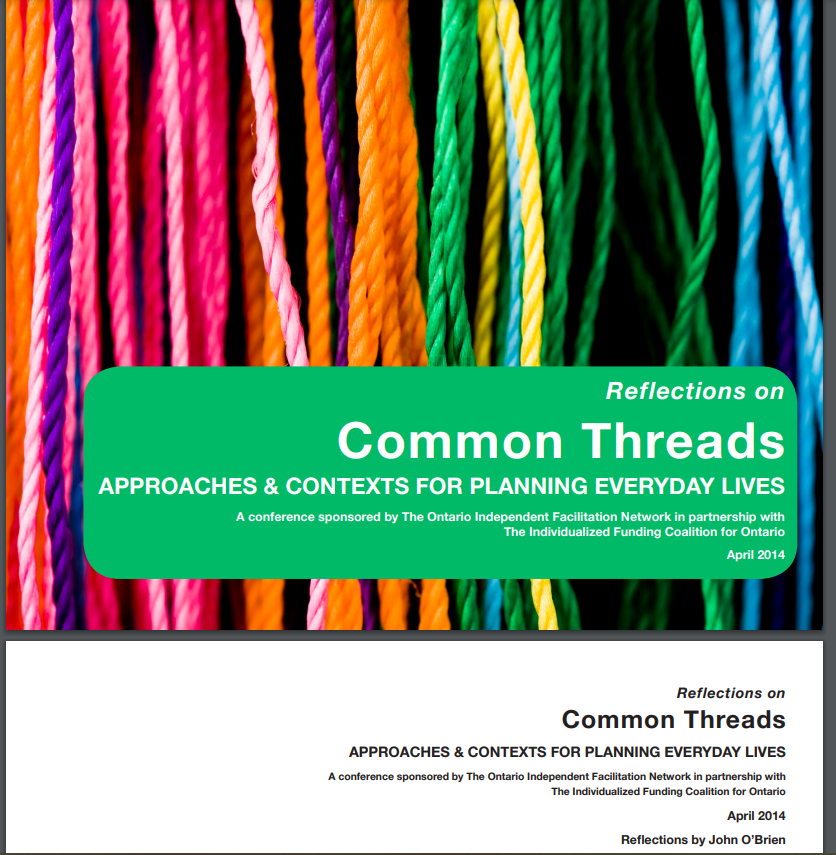
Common Threads – Approaches & Contexts for Planning Everyday Lives
My Life Story
PLAN Networks
PLAN Networks-Michael and Veronica
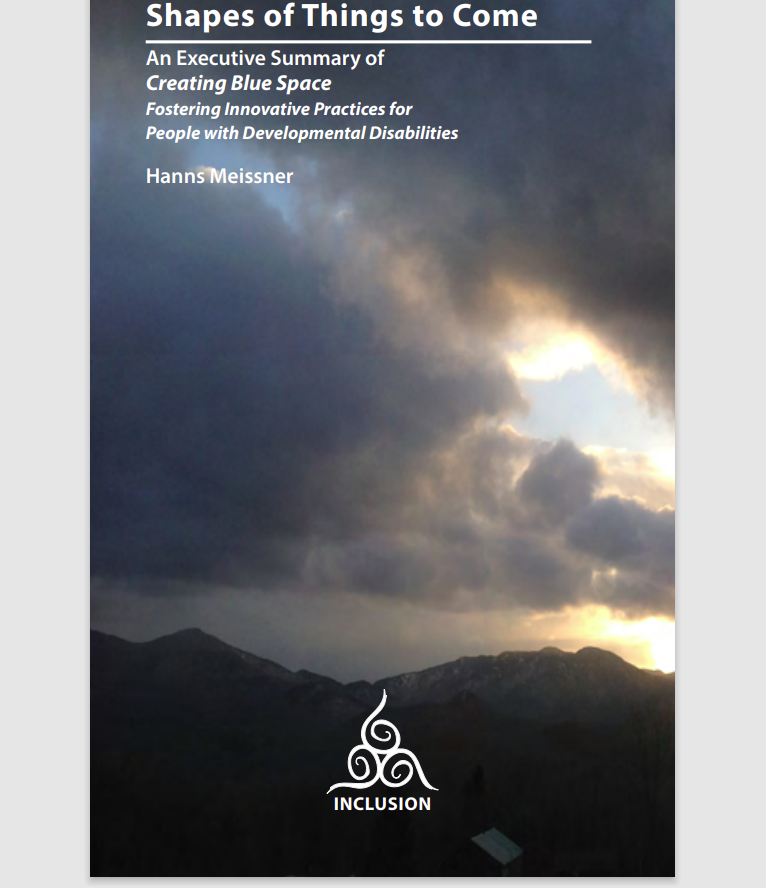
Shapes of Things to Come
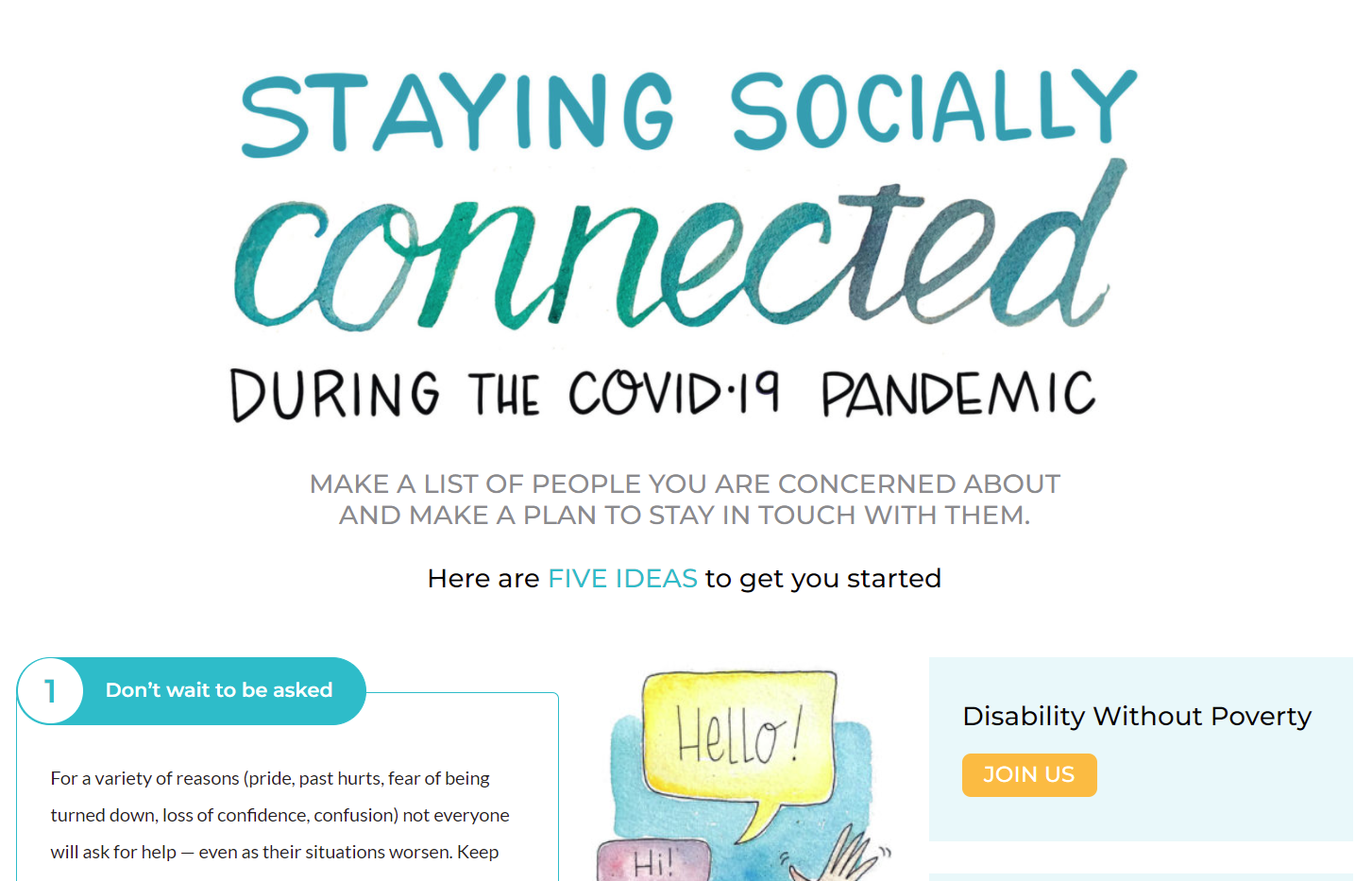
Staying Socially Connected
Reaching Out
Connecting to Citizenship
Supported Decision Making
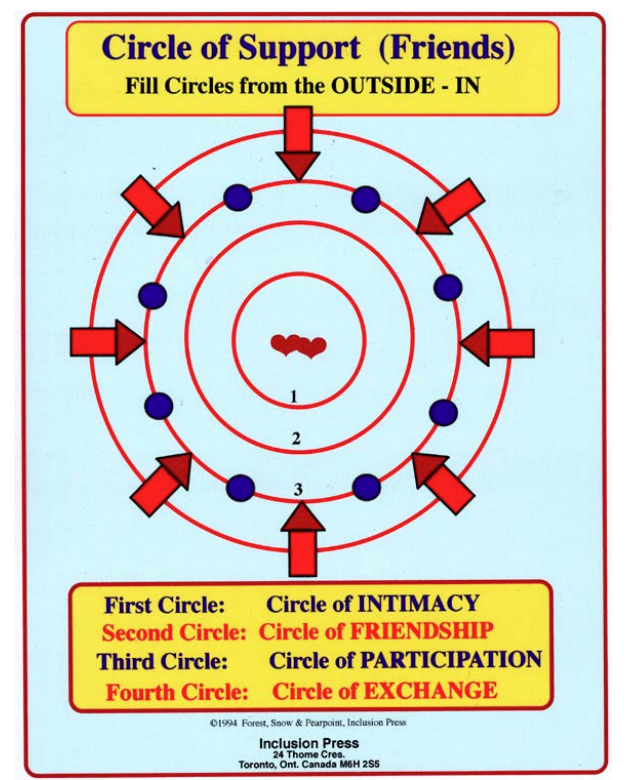
Circles of Support
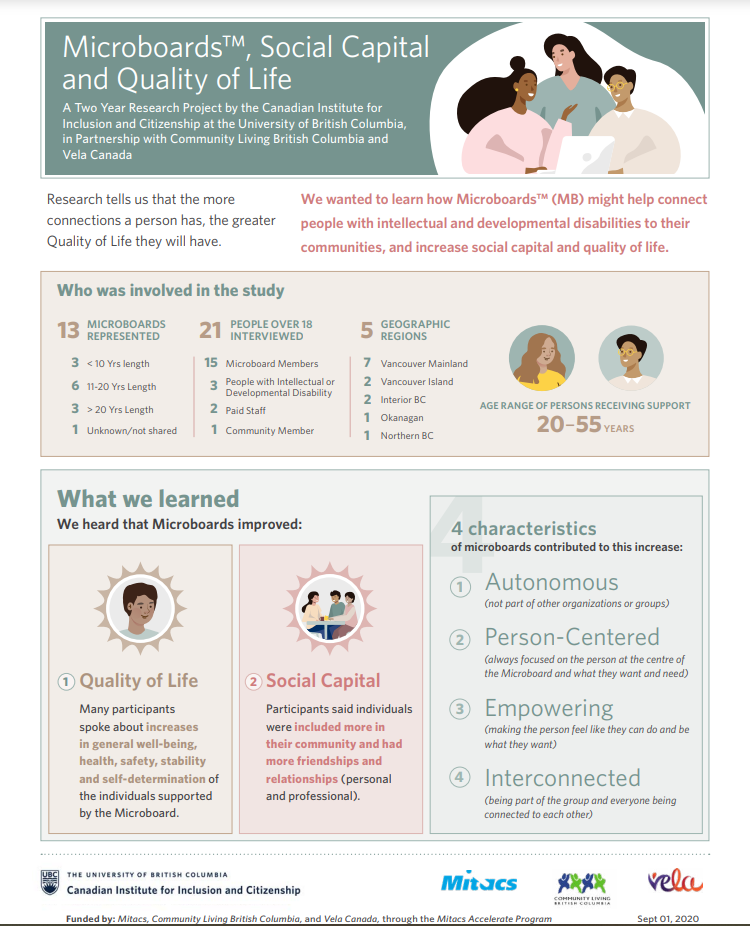
Microboards™, Social Capital and Quality Of Life
Microboards: Social Capital and Quality of Life
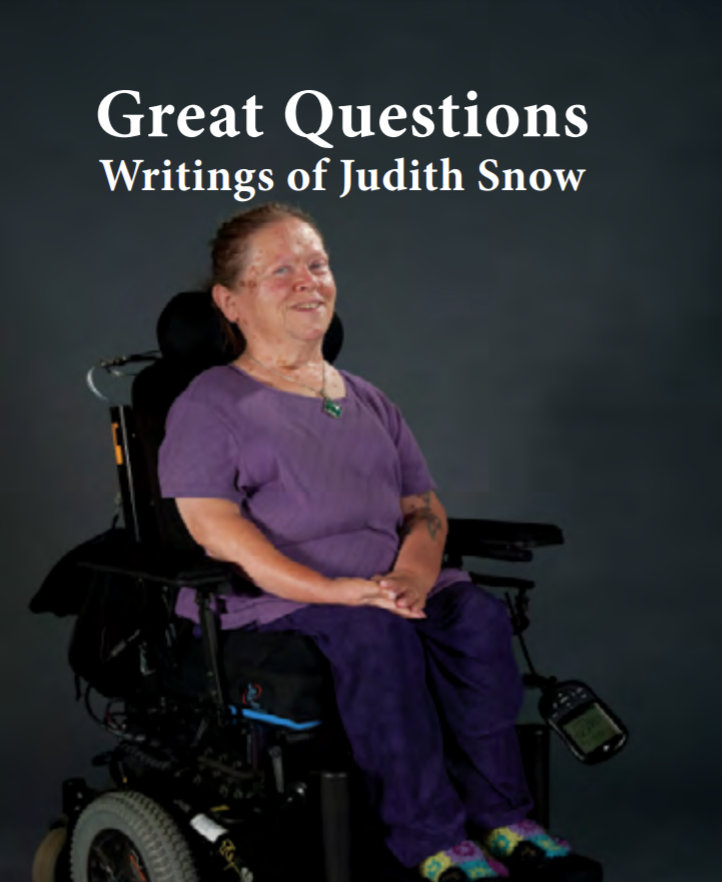
Great Questions: Writings of Judith Snow
Five Valued Experiences with John O’Brien

The Star Raft Circle
Right Relationships with Michael Kendrick

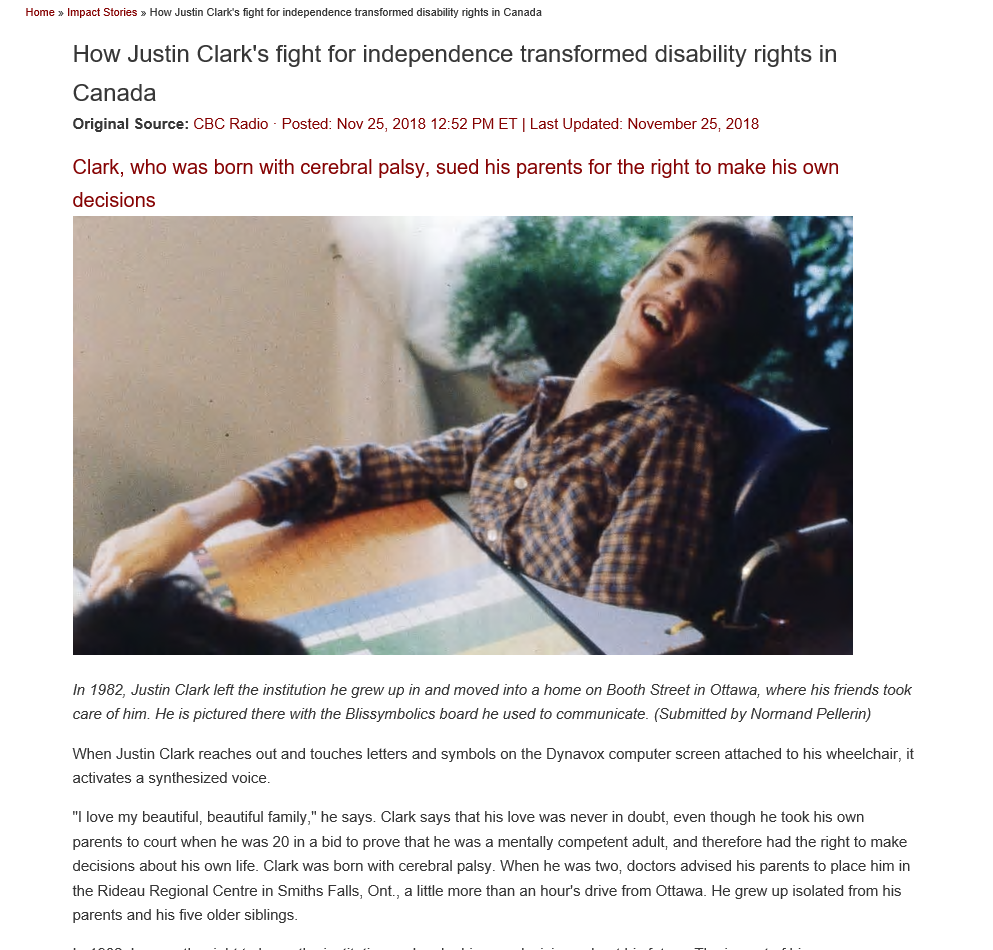
How Justin Clark’s fight for independence transformed disability rights in Canada
Reflections on Making Supported Decision Making a Reality
Looking Differently at Disability and Decision Making
10 Ways to Build a Sense of Community
The Right to Legal Capacity Under the UN Convention on the Rights of Persons with Disabilities: Key Concepts
Supported Decision Making: A roadmap for reform in Newfoundland and Labrador
A Process of Decision Making Support: Exploring Supported Decision Making Practice in Canada
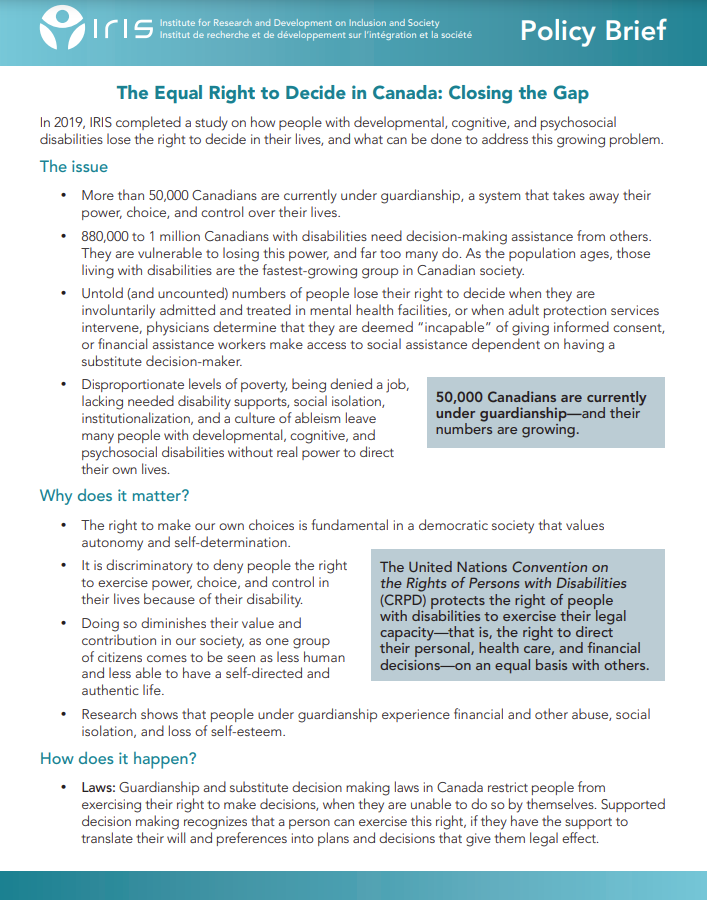
The Equal Right to Decide in Canada: Closing the Gap – Policy Brief
The Equal Right to Decide
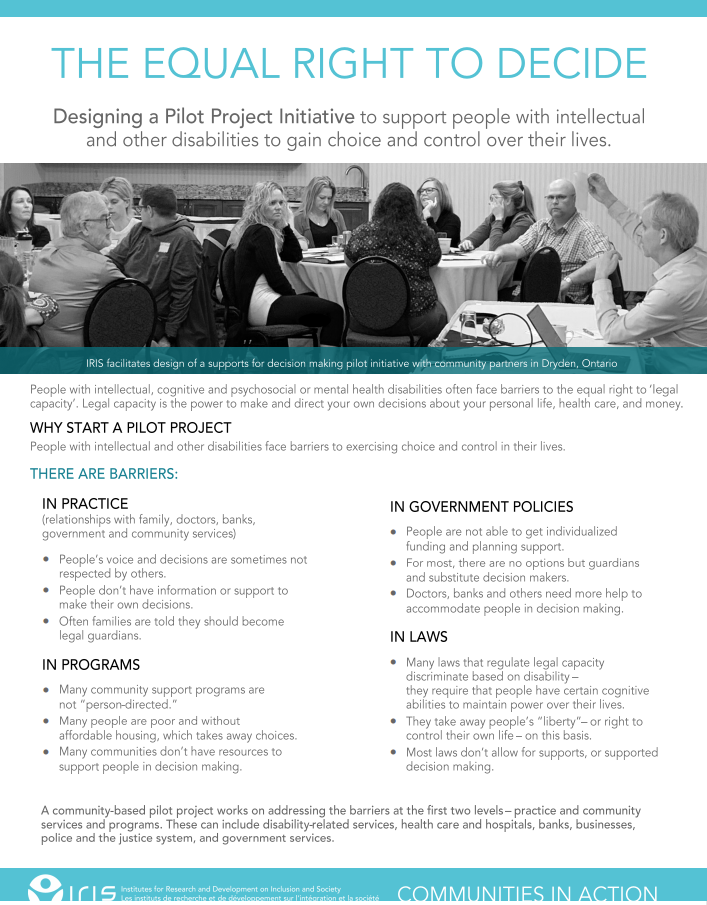
The Right to Decide
Paving the way to Full Realization of the CRPD’s Rights to Legal Capacity and Supported Decision-Making: A Canadian Perspective
A New Paradigm for Protecting Autonomy and the Right to Legal Capacity
Beyond Guardianship: Supported Decision Making By Individuals With Intellectual Disabilities
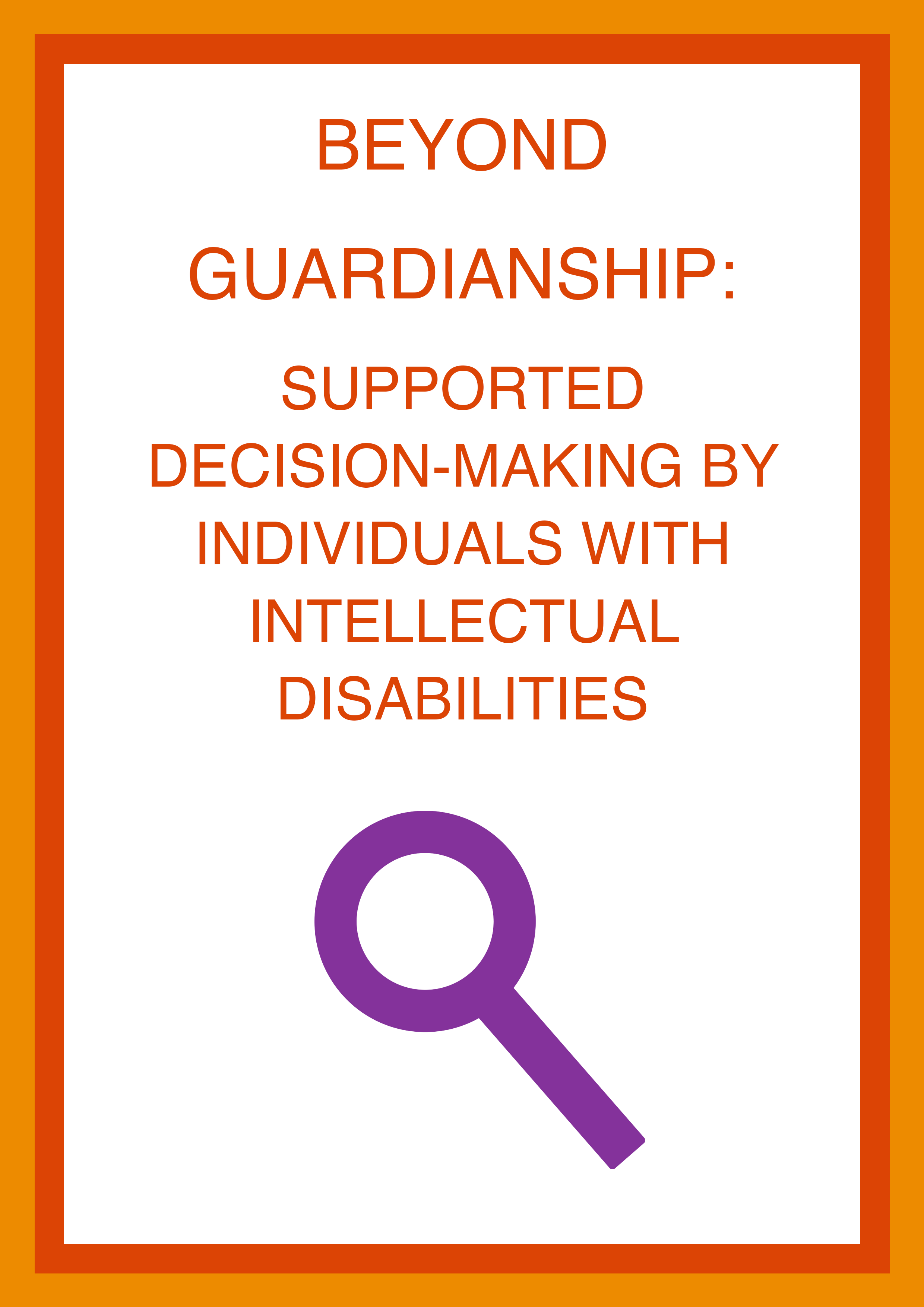
Guardianship deprives people with intellectual disabilities of their ability to make their own decisions, and of legal recognition of those decisions. A guardian is appointed by a court to make some or all decisions for the person, based on “substituted judgment,” taking into account what the person wants or would have wanted. If the guardian does not know what the person wants or would have wanted, the guardian can make a decision based on his or her view of the person’s “best interests.”
Ratification of the UN Convention on The Rights of Person with Disabilities would create both the opportunity and obligation to move from a legal system that measures and judges “mental capacity” – and that, upon a finding of”incapacity,” appoints a guardian to make substituted or best interest decisions for the person under guardianship – to a system that affirms the legal capacity of persons with intellectual disabilities and provides them with the supports necessary to make their own decisions and have those decisions legally recognized.
Claiming Full Citizenship 2015 International Conference
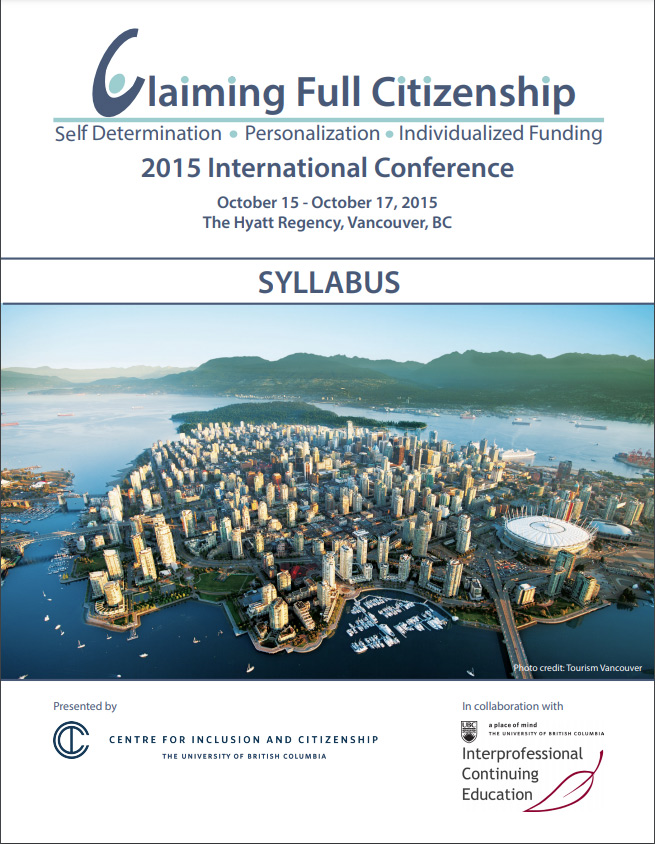
With the passage of the UN Convention on the Rights of Persons with Disabilities, self-determination, personalization and individualized funding initiatives have a new foundation upon which to build. In countries all over the world, these initiatives are transforming the lives of people with disabilities. Like the shift from institutions to community services, these initiatives are a momentous step forward in assisting people with disabilities and seniors achieve meaningful and rewarding lives as full citizens. In October of 2015, the UBC Centre for Inclusion and Citizenship is hosted “Claiming Full Citizenship: an international conference on Self Determination, Personalization and Individualized Funding”. This document is the syllabus from this event.
Future Directions in Supported Decision-Making
This article explores the theoretical foundations of supported decision-making and the evolution of supported decision-making research. It explains the research that is emerging in leading jurisdictions, the United States and Australia, and its potential to transform disability services and laws related to decision-making. Finally, it identifies areas of concern in the direction of such research and provides recommendations for ensuring that supported decision-making remains protective of the rights, will and preferences of people with cognitive disability.
Lessons Learned from the Canadian Experience: Supported Decision-Making Models

Developing an Understanding of Supported Decision-Making Practice in Canada: The Experiences of People with Intellectual Disabilities and Their Supporters
From Provisions to Practice: Implementing The Convention
With supported decision-making, the presumption is always in favour of the person with a disability who will be affected by the decision. The individual is the decision maker; the support person(s) explain(s) the issues, when necessary, and interpret(s) the signs and preferences of the individual. Even when an individual with a disability requires totalsupport, the support person(s) should enable the individual to exercise his/her legal capacity to the greatest extent possible, according to the wishes of the individual. This distinguishes supported decision-making from substituted decision-making, such as advance directives and legal mentors/friends, where the guardian or tutor has court-authorized power to make decisions on behalf of the individual without necessarily having to demonstrate that those decisions are in the individual’s best interest or according to Development and human rights for all.